

Eggless Crepes are thin, tender French pancakes made completely without eggs — and these bend, fold, and roll without a single tear. After 13+ years of cooking egg-free, this is the crepe batter I come back to again and again: it whirs together in the blender in about five minutes and turns into soft, lacy crepes you can fill with anything, sweet or savory. No eggs, no egg replacers, no fuss — just delicate, foldable crepes that work every single time.

Oriana’s Thoughts On The Recipe

The first time I tried to make crepes without eggs, years ago, I ended up with a pan full of torn, patchy scraps and a very unimpressed family. It took me more tries than I’d like to admit to figure out that eggs weren’t the secret — the real magic was the right liquid-to-flour ratio and letting the batter rest. Once I cracked that, these became a standing request in our house: my kids call them “roll-up pancakes” and fill them with everything from chocolate spread to leftover rotisserie chicken.
Tested more times than I can count in my own kitchen, on my own family — if they pass here, they’ll work for you. If you make them, I’d love for you to come back and leave a star rating; it truly helps other egg-free families find the recipe.
Why You’ll Want to Try My Recipe
- Thin, soft, and flexible — they fold and roll without cracking or tearing.
- Egg-free by design, so everyone at the table can dig in.
- Easily made dairy-free — just swap the milk and butter (see the swaps below).
- One blender, five minutes of hands-on time, and pantry ingredients you already have.
- Endlessly fillable — sweet for breakfast or dessert, savory for lunch or dinner.
- Make-ahead and freezer-friendly, so a big batch stretches all week.

What Are Crepes?
A crepe is a very thin pancake-style originating from western France. Compared to pancakes, crepes are much thinner and flatter. We don’t use leavening agents like baking soda or baking powder in crepes as we do in pancakes. Crepes can be both sweet and savory, so you can enjoy them throughout the day.
Can You Make Crepes Without Eggs?
Yes — you can absolutely make crepes without eggs, and you won’t miss them one bit. In a traditional crepe, eggs add a little structure and richness, but they aren’t what makes a crepe thin and foldable. That comes from a loose, well-hydrated batter and the gluten in the flour. By balancing the milk, water, and flour just right — and giving the batter time to rest — you get crepes that are just as thin, tender, and flexible as the classic version, with no eggs and no store-bought egg replacers.
What Replaces the Eggs in Crepes?
Nothing needs to “replace” the eggs here — this batter is built to work without them from the start. Instead of leaning on an egg substitute, the recipe relies on three things: the right ratio of liquid to flour for a thin, pourable batter; a short rest so the flour fully hydrates and relaxes; and a hot, lightly greased pan so the crepes set quickly and release cleanly. That’s the whole secret. It’s also why I skip flax eggs and powdered replacers for crepes — they can make the batter gummy, and you simply don’t need them.
Ingredients You’ll Need, Substitutions & Notes
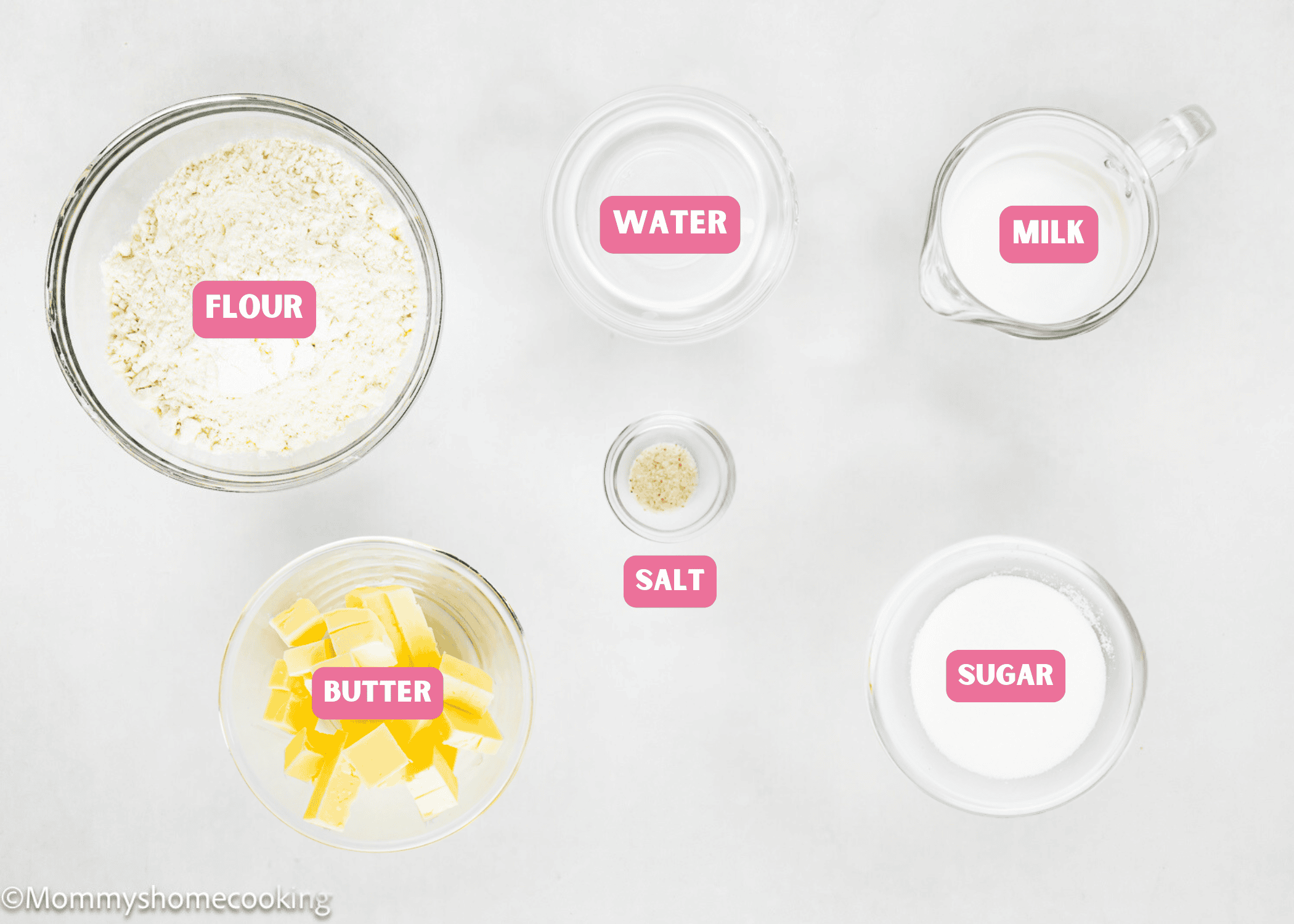
Please check the recipe card at the bottom of the post for exact quantities and detailed instructions (scroll down).
- Milk: Adds moisture and richness to the batter. Note: You can use any type of milk, including almond, soy, or oat milk for a dairy-free version.
- Water: Helps to thin the batter for the right consistency.
- Unsalted Butter: Provides flavor and helps prevent sticking. Note: You can substitute with vegan butter for a dairy-free option.
- All-Purpose Flour: The base for your crepes. Note: If you’re gluten-free, try using a gluten-free flour blend.
- Salt: Enhances the flavor of the crepes. Just a pinch goes a long way!
- Granulated Sugar: Use sweet crepes to add a hint of sweetness.
- Optional for Savory Crepes: Garlic powder and black pepper; add these for savory crepes, giving them a delicious kick!
Food Allergy Swaps
- Dairy-Free: To make this recipe dairy-free, you can easily swap out the dairy ingredients for non-dairy alternatives. Instead of milk, you can use non-dairy milk like almond, soy, or oat milk. Use vegan butter instead of dairy butter. Many brands are available in stores. I usually use Earth Balance Vegan Buttery Sticks or Miyoko’s Creamery Organic Vegan Butter.
- Gluten-Free: Use a gluten-free, all-purpose flour blend. Look for a gluten-free flour blend specifically formulated for baking, as it will have the right combination of flours and starches to mimic the texture of wheat flour. My favorite is Better Batter Original Blend. I also like Doves Farm Freee Gluten-Free All-Purpose Flour, but this blend does not contain xanthan gum, so you need to add 1/4 teaspoon of xanthan gum per cup (140 g) of gluten-free flour blend.
Troubleshooting
- Batter Consistency: Sometimes, the batter can be too thick or too thin. Pro Tip: I highly recommend using a kitchen scale to measure the ingredients for better results. If your batter seems too thick, simply add a splash of water or milk to thin it out. Conversely, if it’s too runny, add a bit more flour to achieve the right consistency.
- Crepe Sticking to the Pan: Sticking can be a common issue when making crepes. Pro Tip: Make sure your pan is well-greased with melted butter before pouring in the batter. Use a non-stick skillet or crepe pan for the best results.
- Uneven Thickness: When cooking crepes, it’s common to have some areas thinner than others. Pro Tip: The batter needs to spread evenly across the pan, but if it’s too thick, it won’t spread as easily, and if it’s too thin, it may not hold together properly. Plus, if the pan is too hot in some areas, parts of your crepe might cook faster than others, making it hard to maintain that smooth, even texture. So, once you pour the batter into the pan, tilt and swirl it quickly to spread it evenly across the surface. You want a thin, uniform layer. Keep the heat on medium to allow for even cooking. Adjust as necessary and watch closely; they cook quickly!
Process Overview: Step-by-Step Photos
Please check the recipe card at the bottom of the post for exact quantities and detailed instructions (scroll down).
Step 1 – Blend
Combine all the ingredients in a blender. Blend the mixture until smooth and bubbles form on top, about 30 seconds.

Step 2 – Rest
Let the batter sit at room temperature for at least 30 minutes or overnight in the refrigerator in an airtight container (whisk before using). This allows the flour to hydrate fully and helps create a smoother texture.
Step 3 – Cook
Heat an 8 or 10-inch nonstick skillet over medium. When hot, lightly spray with nonstick cooking spray or butter. Add ¼ cup of batter and tilt the pan in a circular motion so that the batter completely covers the bottom of the skillet. Cook until the underside of the crepe is golden brown, about 2 minutes. Then, loosen with a spatula, turn, and cook the other side for about 1 more minute. Crepes cook fast, so keep an eye on them! When the edges begin to lift from the pan and the surface starts to look dry, it’s time to flip.
Pro Tip:
If you use a bigger skillet, add as much batter as necessary to cover the bottom of the skillet. For a 12-inch skillet, you will need to add 1/3 cup of batter.
Fill as desired and serve or store for later use.

Extra Recipe Tips For Success
- Make the Batter in Advance: Letting the batter rest for 30 minutes to an hour helps the flour fully hydrate, making the crepes smoother and more elastic. It also allows the air bubbles to settle, which results in a more uniform texture when cooking.
- Use a Non-Stick Skillet or Crepe Pan: A non-stick surface makes it much easier to flip the crepes without them sticking. A crepe pan is ideal because it’s shallow and has low sides, which makes flipping and swirling easier.
- Heat the Pan to Medium: A pan that’s too hot will cause your crepes to cook too quickly, making them difficult to flip and sometimes burn. If it’s too cool, they won’t cook evenly.
- Cook Until Edges Lift: Crepes cook fast, so keep an eye on them! When the edges begin to lift from the pan and the surface starts to look dry, it’s time to flip.
- Keep the Crepes Warm: Crepes are best enjoyed fresh and warm, but if you need to make a batch ahead of time, keep them warm by placing them on a baking sheet in the oven at low heat (around 200°F).
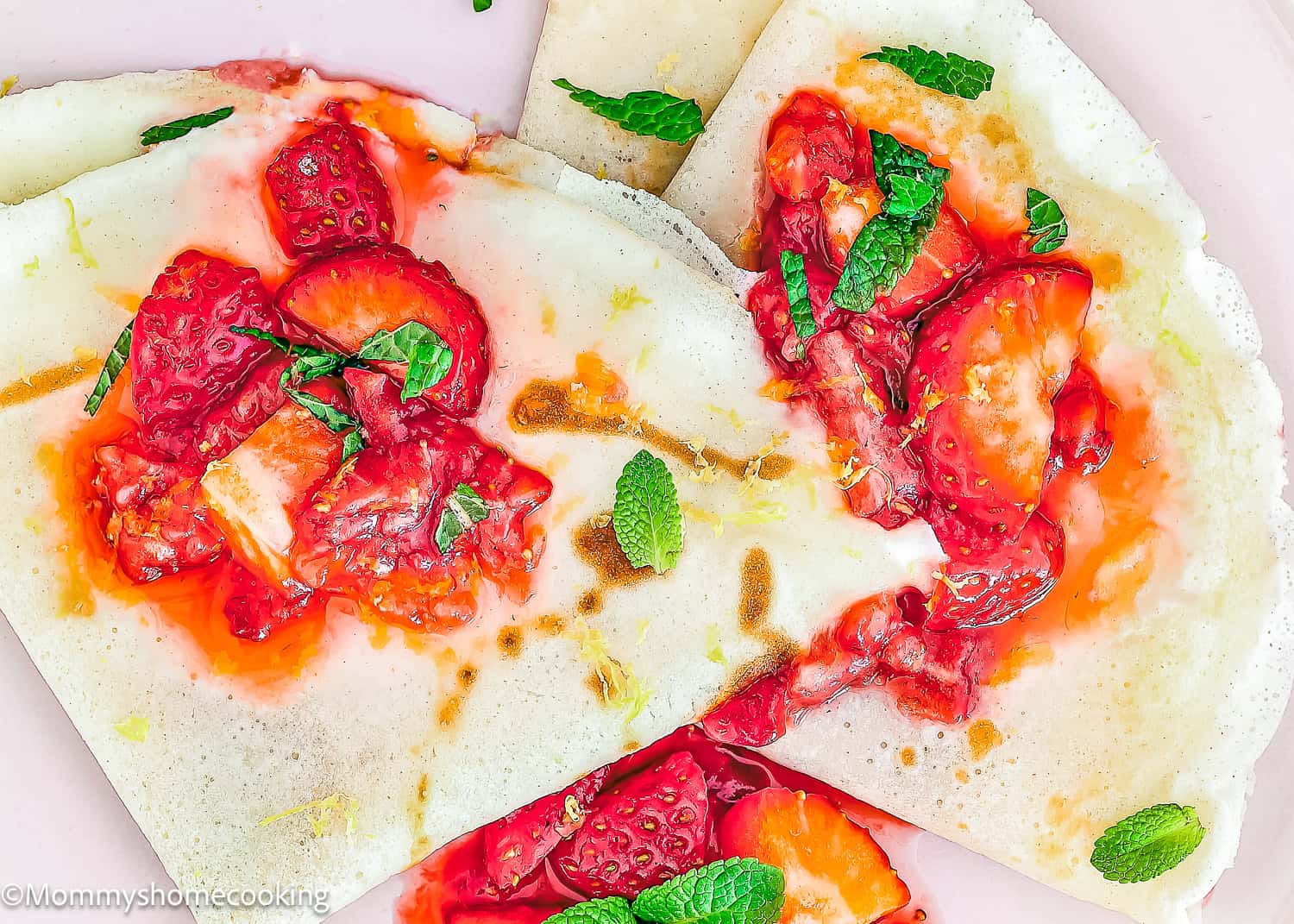
17 Crepe Filling Ideas (Sweet and Savory)
Sweet Filling Ideas
- Chocolate and Strawberries: Add a layer of chocolate hazelnut spread and sliced strawberries. Roll and serve.
- Dulce de Leche and Nuts: Add a layer of dulce de leche and chopped nuts. Roll and serve.
- Peanut Butter and Bananas: Add a layer of peanut butter and sliced bananas. Roll and serve.
- Whipped Cream and Strawberry Sauce: Add a layer of whipped cream and strawberry sauce. You can also use your favorite preserve or jam. Roll and serve.
- Cinnamon Apples and Cream Cheese: Add a layer of cream cheese and then top with apple pie filling. Roll and serve.
- Peaches and Whipped Cream: Add a layer of whipped cream and then a layer of fresh sliced peaches. Roll and serve.
- Mascarpone and Honey: Add a layer of mascarpone cheese and then drizzle with honey. Roll and serve.
- Banana Pudding: Prepare a box of banana pudding, following box instructions. Add a layer of cooled banana pudding, then add chopped vanilla wafers and top with sliced bananas. Roll and serve.
Savory Filling Ideas
- Ham and Cheese: Add a slice of your favorite cheese and ham. Roll. If desired, warm the filled crepes in a skillet over medium heat. Serve.
- Rotisserie Chicken & Cream Cheese: Add a layer of cream cheese and then top with Rotisserie Chicken. Roll. If desired, warm the filled crepes in a skillet over medium heat. Serve.
- Goat Cheese & Mushrooms: Add a layer of goat cheese and then top with fresh sliced mushrooms. Roll. If desired, warm the filled crepes in a skillet over medium heat. Serve.
- Mozzarella, Tomato, and Basil: Add a layer of mozzarella cheese and then top with fresh tomato slices and chopped basil. Drizzle with balsamic glaze. Roll. If desired, warm the filled crepes in a skillet over medium heat. Serve.
- Turkey and Pesto: Add a layer of sliced turkey and then top with pesto. Roll. If desired, warm the filled crepes in a skillet over medium heat. Serve.
- Ricotta, Mozzarella and Marinara Sauce: Add a layer of ricotta cheese and mozzarella, then add marinara sauce to your liking. If desired, warm the filled crepes in a skillet over medium heat. Serve.
- Brie and Asparagus: Add slices of brie cheese and 2-3 asparagus spears. Roll. If desired, warm the filled crepes in a skillet over medium heat. Serve.
- Corn, Béchamel Sauce and Parmesan Cheese: Make 2 cups béchamel sauce. Add 2 cups frozen or canned corn and 1/ 4 cup Parmesan cheese. Fill the crepes with the corn mixture. Place crepes in a baking dish. Top filled crepes with any remaining sauce. Bake until hot and bubbly.
- Ricotta with Smoked Salmon: Add a layer of ricotta cheese and then top with smoked salmon. Roll. If desired, warm the filled crepes in a skillet over medium heat. Serve.
Storing and Freezing Instructions
Storage: Leftover crepes can be stored in an airtight container in the fridge for up to 3 days. Tip: Stack them on wax paper to prevent them from sticking together.
Freezing: You can freeze crepes by placing parchment paper between each one and sealing them in a freezer-safe bag. They’ll keep for up to 2 months. Just thaw and reheat in a skillet when you’re ready to enjoy!
Frequently Asked Questions
Absolutely! You can prepare the crepes in advance, store them in the fridge or freezer, and simply reheat them when you’re ready to serve.
Yes! Crepes don’t need eggs to be thin and foldable — a well-balanced, rested batter does the work. These eggless crepes fold, roll, and fill just like the classic version, with no egg replacers required.
For this recipe, you don’t need an egg substitute at all — it’s written egg-free from the start. The structure comes from the flour and the right liquid ratio, so skip the flax eggs or powders; they tend to make crepe batter gummy.
Resting lets the flour fully absorb the liquid and lets air bubbles settle, which gives you smoother, more elastic crepes that are less likely to tear. Even 30 minutes makes a real difference — overnight in the fridge is even better.
Usually it’s one of three things: the batter is too thick, the crepe is being flipped too early, or the pan isn’t hot or greased enough. Make sure the batter is thin and pourable, wait until the edges lift and the surface looks dry before flipping, and keep the pan lightly greased over medium heat.
Absolutely. Swap the milk for a non-dairy milk like almond, soy, or oat, and use a vegan butter (I like Earth Balance sticks or Miyoko’s). The crepes turn out just as thin and tender.
Yes — use a 1:1 gluten-free all-purpose baking blend. If your blend doesn’t contain xanthan gum, add ¼ teaspoon per cup (140 g) of flour so the crepes stay flexible. The texture may be a touch more delicate, so handle them gently when flipping.
Rubbery crepes usually come from over-blending or not resting the batter. Blend just until smooth, then let the batter rest so the gluten relaxes — that’s what keeps them tender instead of tough.
When the edges begin to lift from the pan, and the surface looks dry, it’s time to flip. Crepes should be lightly golden on the bottom and usually take about 1–2 minutes on the first side and 1 minute on the second.

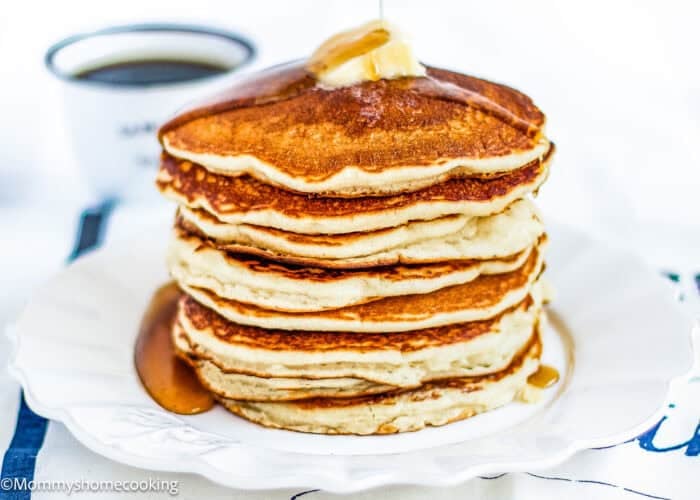
Building an Egg-Free Breakfast Spread? Add These to the Table!



Recipe Card
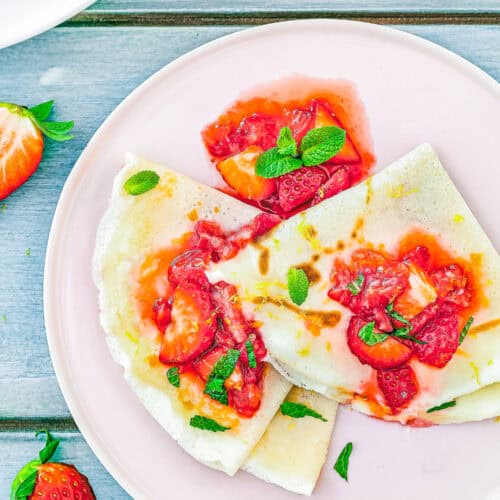
Easy Eggless Crepes


Video
Equipment
Important
• For best results, I highly recommend using a kitchen scale to measure the ingredients.
Ingredients
Crepes Batter:
- 1/2 cup (120 ml) milk
- ¾ cup (180 ml) water
- 1/4 cup (58 g / 2 oz) unsalted butter, melted
- 1 cup (140 g) all-purpose flour
- 1/4 teaspoon kosher salt
- 1 tablespoon (12 g) granulated sugar
Optional for Savory Crepes:
- ¼ teaspoon garlic powder
- Pinch black pepper
Instructions
- In a blender, combine all the ingredients. Blend the mixture until it is smooth and bubbles form on top for about 30 seconds.
- Let the batter sit at least 30 minutes at room temperature or overnight in the refrigerator in an airtight container (whisk before using).
- Heat an 8- or 10-inch nonstick skillet over medium heat. When hot, lightly spray with nonstick cooking spray or butter. Add ¼ cup of batter and tilt the pan in a circular motion so that the batter completely covers the bottom of the skillet. Cook until the underside of the crepe is golden brown, about 2 minutes. Then, loosen it with a spatula, turn it, and cook the other side for about 1 more minute. Crepes cook fast, so keep an eye on them! When the edges begin to lift from the pan and the surface starts to look dry, it’s time to flip.NOTE: If you use a bigger skillet, add as much batter as necessary to cover the bottom of the skillet, i.e., 1/3 cup of batter for a 12-inch skillet.
- Fill as desired and serve, or store for later use.
- Dairy-Free: To make this recipe dairy-free, you can easily swap out the dairy ingredients for non-dairy alternatives. Instead of milk, you can use non-dairy milk like almond, soy, or oat milk. Use vegan butter instead of dairy butter. Many brands are available in stores. I usually use Earth Balance Vegan Buttery Sticks or Miyoko’s Creamery Organic Vegan Butter.
- Gluten-Free: Use a gluten-free, all-purpose flour blend. Look for a gluten-free flour blend specifically formulated for baking, as it will have the right combination of flours and starches to mimic the texture of wheat flour. My favorite is Better Batter Original Blend. I also like Doves Farm Freee Gluten-Free All-Purpose Flour, but this blend does not contain xanthan gum, so you need to add 1/4 teaspoon of xanthan gum per cup (140 g) of gluten-free flour blend.
- Batter Consistency: Sometimes, the batter can be too thick or too thin. Pro Tip: I highly recommend using a kitchen scale to measure the ingredients for better results. If your batter seems too thick, simply add a splash of water or milk to thin it out. Conversely, if it’s too runny, add a bit more flour to achieve the right consistency.
- Crepe Sticking to the Pan: Sticking can be a common issue when making crepes. Pro Tip: Make sure your pan is well-greased with melted butter before pouring in the batter. Use a non-stick skillet or crepe pan for the best results.
- Uneven Thickness: When cooking crepes, it’s common to have some areas thinner than others. Pro Tip: The batter needs to spread evenly across the pan, but if it’s too thick, it won’t spread as easily, and if it’s too thin, it may not hold together properly. Plus, if the pan is too hot in some areas, parts of your crepe might cook faster than others, making it hard to maintain that smooth, even texture. So, once you pour the batter into the pan, tilt and swirl it quickly to spread it evenly across the surface. You want a thin, uniform layer. Keep the heat on medium to allow for even cooking. Adjust as necessary, and watch closely; they cook quickly!
- Make the Batter in Advance: Letting the batter rest for 30 minutes to an hour helps the flour fully hydrate, making the crepes smoother and more elastic. It also allows the air bubbles to settle, which results in a more uniform texture when cooking.
- Use a Non-Stick Skillet or Crepe Pan: A non-stick surface makes it much easier to flip the crepes without them sticking. A crepe pan is ideal because it’s shallow and has low sides, which makes flipping and swirling easier.
- Heat the Pan to Medium: A pan that’s too hot will cause your crepes to cook too quickly, making them difficult to flip and sometimes burn. If it’s too cool, they won’t cook evenly.
- Cook Until Edges Lift: Crepes cook fast, so keep an eye on them! When the edges begin to lift from the pan and the surface starts to look dry, it’s time to flip.
- Keep the Crepes Warm: Crepes are best enjoyed fresh and warm, but if you need to make a batch ahead of time, keep them warm by placing them on a baking sheet in the oven at low heat (around 200°F).
Nutrition
Nutrition information provided is an estimate and will vary based on cooking methods and brands of ingredients used.
Eggless Baking Frequently Asked Questions
You’ve asked, and I’ve answered! Read on for a handful of answers to the most frequently asked questions about eggless baking.
More Recipes You’ll Love!
- Fluffy Eggless Pancakes [Video]
- Egg-Free Recipes to Survive the Egg Shortage
- Eggless Chocolate Cinnamon Rolls
- Eggless Easy Sticky Toffee Pudding
- Easy Pumpkin Pancakes (Egg-Free & Dairy-Free)
- Eggless Waffles
- Eggless Easy Mini Quiche
- Eggless Homemade English Muffins
- Browse more recipes…
Recipe Changelog:
- Originally posted in January 2019.
- Update: The post was edited in March 2025 to add more helpful information, with no changes to the recipe.
- Update: The post was updated again in July 2026 to add more helpful information, with no changes to the recipe.












Came out amazing! Thank you so much!
Hello Keli! Yay — that’s wonderful to hear, Keli! Crepes can feel a little fussy the first time, so I’m thrilled they came out great for you. Thanks for coming back to let me know. 😊
I Love it but it doesn’t make enough servings ❤️ 😘
Hello Micah! I love that complaint 😄 I’m so glad you enjoyed it! If you need more next time, you can usually double the recipe without any issues. So happy it was a hit in your kitchen ❤️
Amazing, so simple! Made these for breakfast and lunch. No need to change a thing. Delicious!
Hello Dinah! Yay!! I’m so happy you loved them 😍 Thank you for your sweet feedback 💕