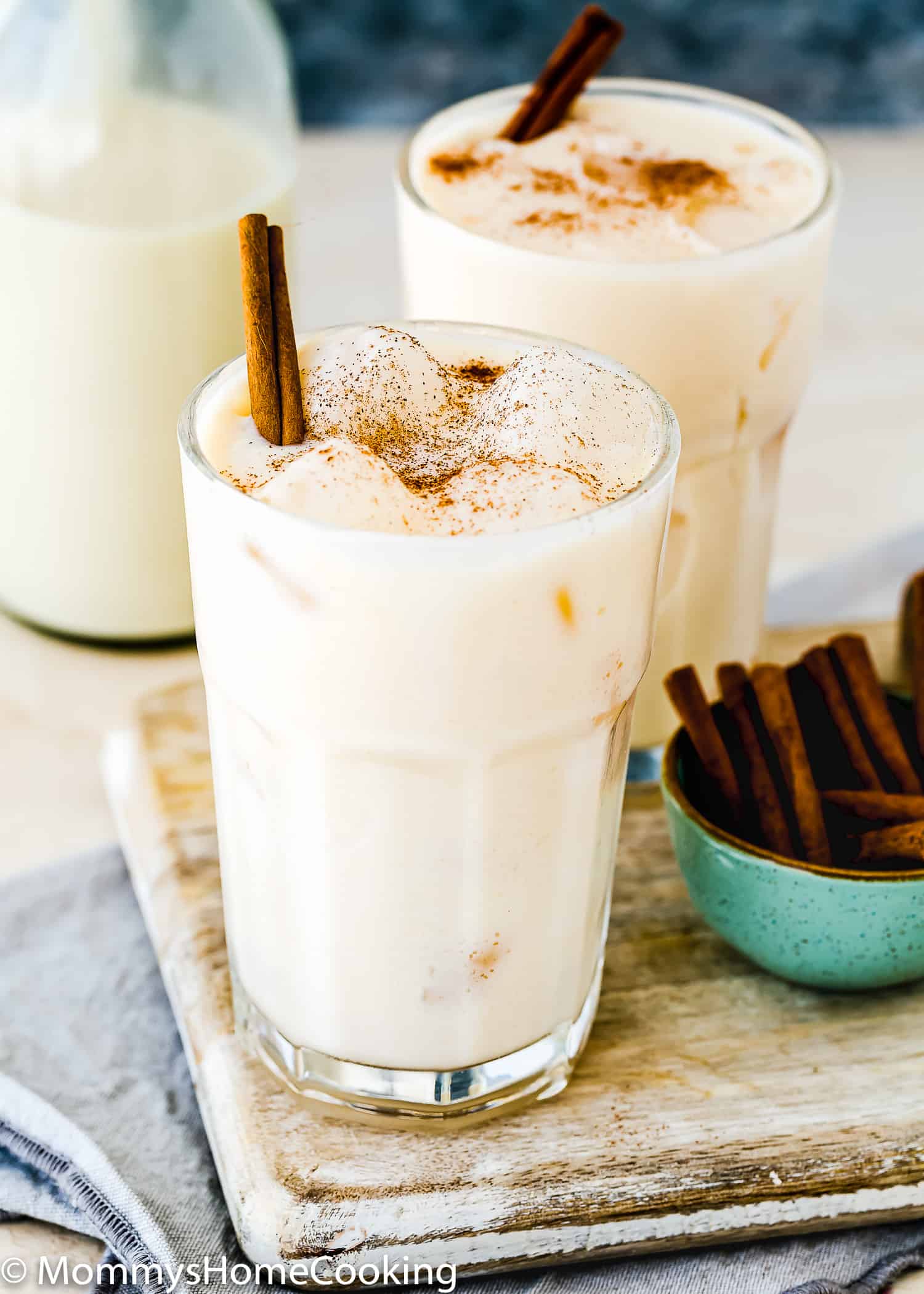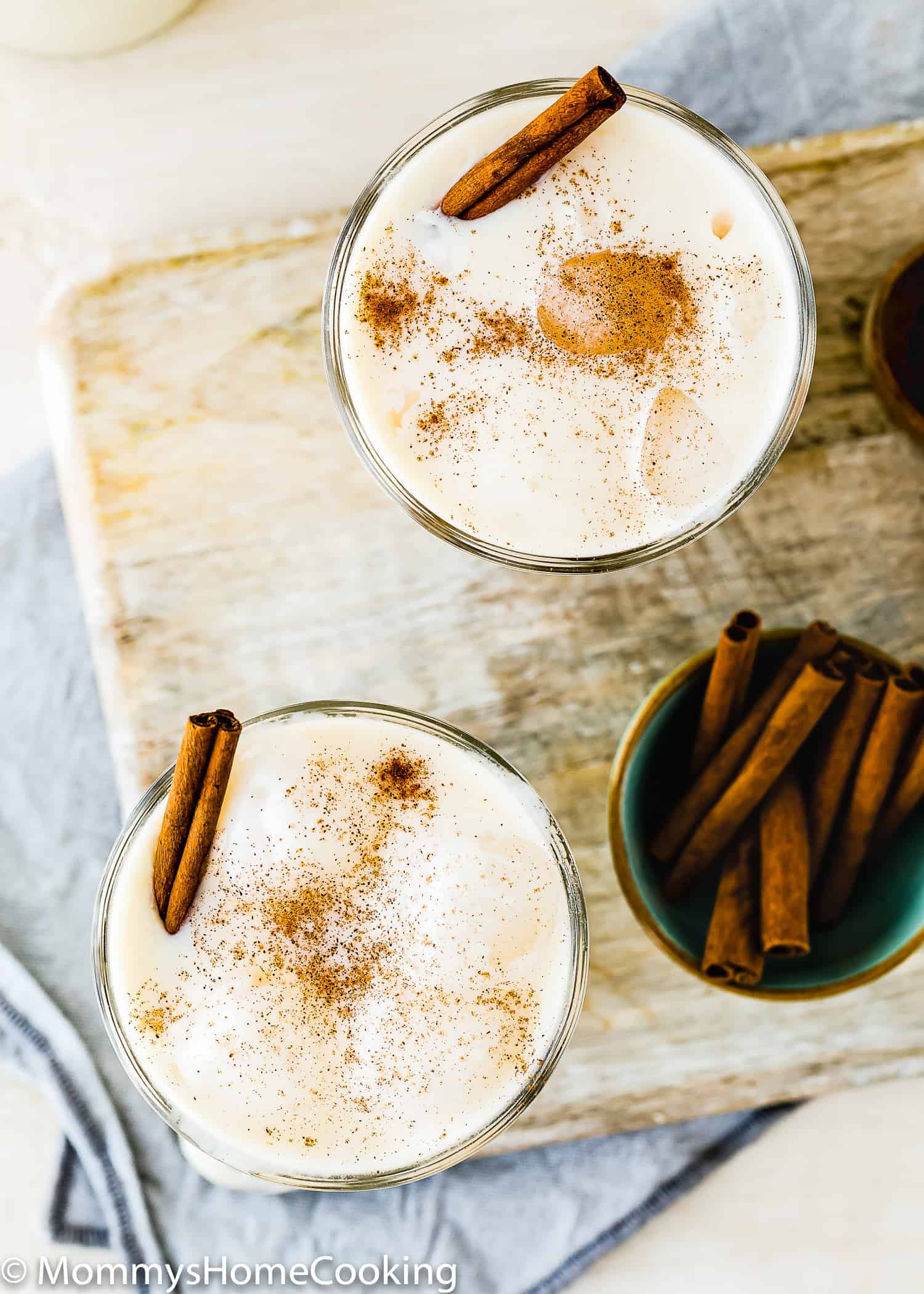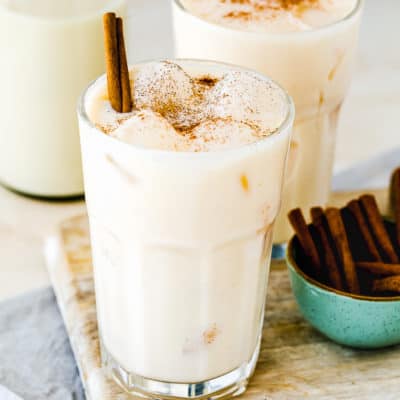


Venezuelan Chicha — or chicha venezolana — is a rich, creamy rice drink made with three kinds of milk: whole milk, evaporated milk, and sweetened condensed milk, spiced with cinnamon and served ice-cold. It’s one of Venezuela’s most beloved drinks, the kind you’d find at street carts and family gatherings all across the country. I grew up drinking chicha on hot afternoons, and every time I make it at home, one sip takes me right back. If you’ve never had it, the best way I can describe it is blended rice pudding in a glass — and trust me, that’s exactly as good as it sounds.

Oriana’s Thoughts On The Recipe

Growing up in Venezuela, chicha was part of everyday life. The chichero — the street vendor — would ladle it into a plastic cup, drizzle extra condensed milk right over the top, and hand it to you dripping cold. You’d drink it on the walk home from school, at a fair, at any gathering where someone thought to bring a pitcher. My family has always been obsessed. The second the weather warms up, someone is asking me to make it — and honestly, I never say no.
Here’s why you’re going to love it:
Once you make this, I promise your family will start putting in requests. Give it a try, and if you love it as much as we do, leave a star rating below — it means the world!


What Is Venezuelan Chicha?
Venezuelan Chicha — also called chicha venezolana or chicha de arroz — is a sweet, creamy, non-alcoholic rice drink that has been part of Venezuelan culture for generations. It’s made by soaking and cooking white rice until very soft, then blending it with whole milk, evaporated milk, and sweetened condensed milk until silky smooth. The result is thick, sweet, and deeply satisfying — rich enough to feel like a treat but refreshing enough to drink on a hot afternoon.
What makes Venezuelan Chicha different from other Latin American chichas is that it’s rice-based and completely non-alcoholic. Chicha Morada from Peru is made from purple corn. Colombia’s chicha is often fermented. Venezuela’s version is a creamy, family-friendly drink that even children enjoy. It’s sold from street carts by vendors known as chicheros — ladles of icy chicha poured into cups and finished with an extra drizzle of condensed milk. For Venezuelans living abroad, making chicha at home is one of the surest ways to bring a taste of home to the table.
Venezuelan Chicha Ingredients & Notes

Please check the recipe card at the bottom of the post for exact quantities and detailed instructions (scroll down).
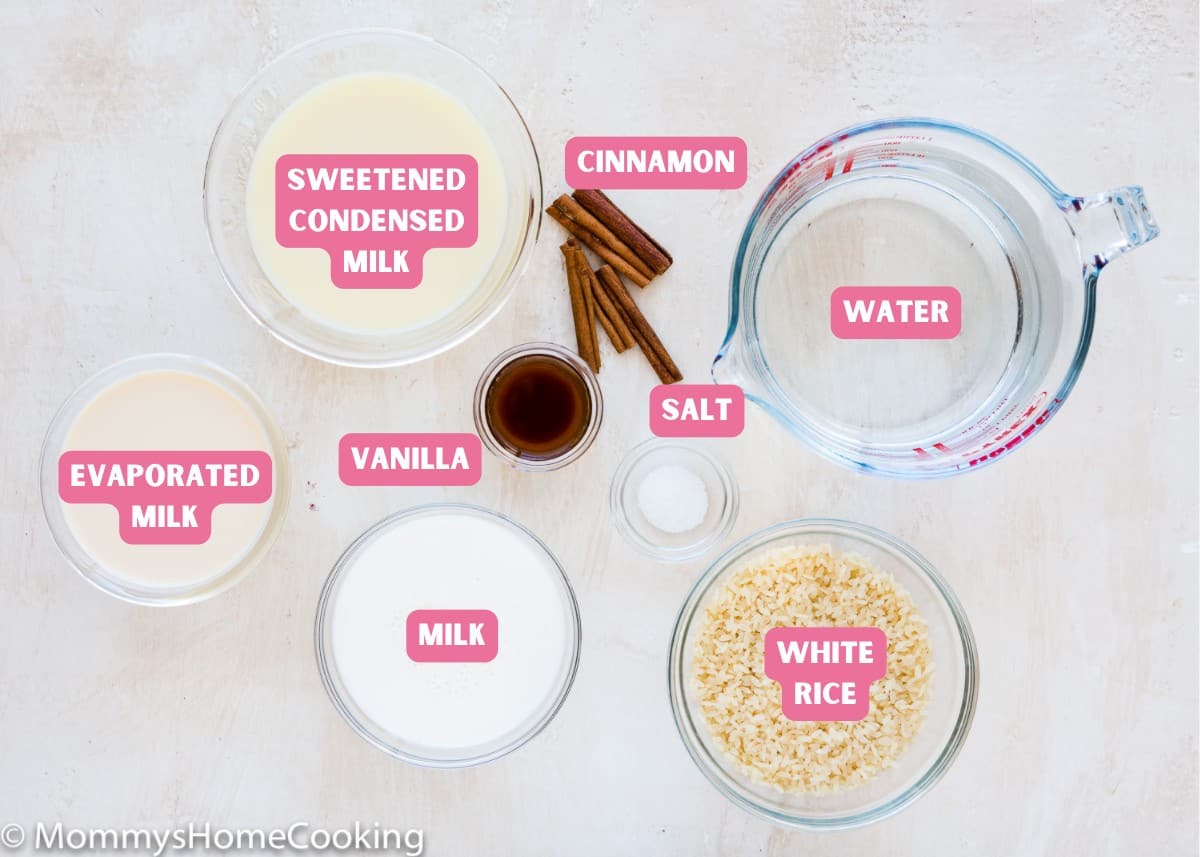
You’ll need:
- Rice: We’re using uncooked white rice for this chicha recipe. Any short-grain or long-grain white rice will do.
- Spices: Cinnamon sticks will give the chicha added taste. Some people also like to add a pinch of nutmeg and/or cloves, but I don’t.
- Water: Used to help soak the rice and then cook it.
- Salt: A pinch of salt will enhance the flavor. I prefer kosher or sea salt. If you only have table salt handy, I recommend reducing the amount to half.
- Milk: I like to use whole milk. However, you can use any milk you have handy, but whole milk will give you a creamier consistency.
- Evaporated milk: You don’t have evaporated milk? No problem!! Check out my post about How to Make Evaporated Milk at home.
- Condensed milk: This ingredient will sweeten the chicha and enhance the consistency.
- Vanilla Extract: For optimal flavor, reach for pure vanilla instead of imitation. Even better, try homemade vanilla extract!
- Ice and ground cinnamon to serve
Food Allergy Info & Swaps
This recipe is naturally egg, gluten, nut, peanut, soy, and sesame-free, making it suitable for most dietary needs. However, always check labels for hidden allergens.
- Dairy-Free: To make this recipe dairy-free, you can easily swap out the dairy ingredients for non-dairy alternatives.
- Milk: You can use your favorite non-dairy milk, like soy or oat milk.
- Evaporated Milk: Use evaporated coconut milk or evaporated oat milk, or make your own dairy-free evaporated milk with your favorite plant-based milk. Evaporated milk is just milk that has been reduced to eliminate the water content, so it’s super easy to make at home with any milk of your choice. Check out my How to Make Evaporated Milk post. If evaporated milk is not an option, you can use any dairy-free milk, but keep in mind that the texture might change slightly.
- Sweetened condensed milk: My favorite dairy-free substitute is NATURES CHARM Sweetened Condensed Oatmilk.

Extra Tips
- Don’t rush the soaking. Soaking the rice for at least one hour — or overnight if you can — is what gives the chicha its depth of flavor and creaminess. The longer the rice sits with the cinnamon sticks, the more fragrant and flavorful your chicha will be. I almost always soak mine overnight.
- Cook the rice until it’s really mushy. This isn’t regular fluffy rice — you want the grains to be very soft and starting to break down, almost like congee. If the rice still has texture at the 30-minute mark, give it more time. This is what creates the silky texture after blending.
- Let the rice cool completely before blending. Hot rice in a blender can be unpredictable — steam builds up, and the lid can pop. Let the rice cool to room temperature first. If you’re short on time, spread it out on a baking sheet to speed things up.
- Blend in batches if needed. If your blender is on the smaller side, don’t overfill it — blend in two batches and combine in a large pitcher. A high-powered blender gives the smoothest results, but a regular blender works fine; just blend a little longer.
- Adjust the thickness to your taste. Right out of the blender, chicha is thick and rich. Some people love it that way; others prefer it thinner. Add whole milk a splash at a time until you reach the consistency you like. Keep in mind it will thicken a little more as it chills in the fridge.
- Double or triple the recipe for a larger crowd. This recipe makes enough to serve 8 people. If you’re throwing a party, you may want to make more. Trust me, it’ll be gone quickly!
Serving Suggestions
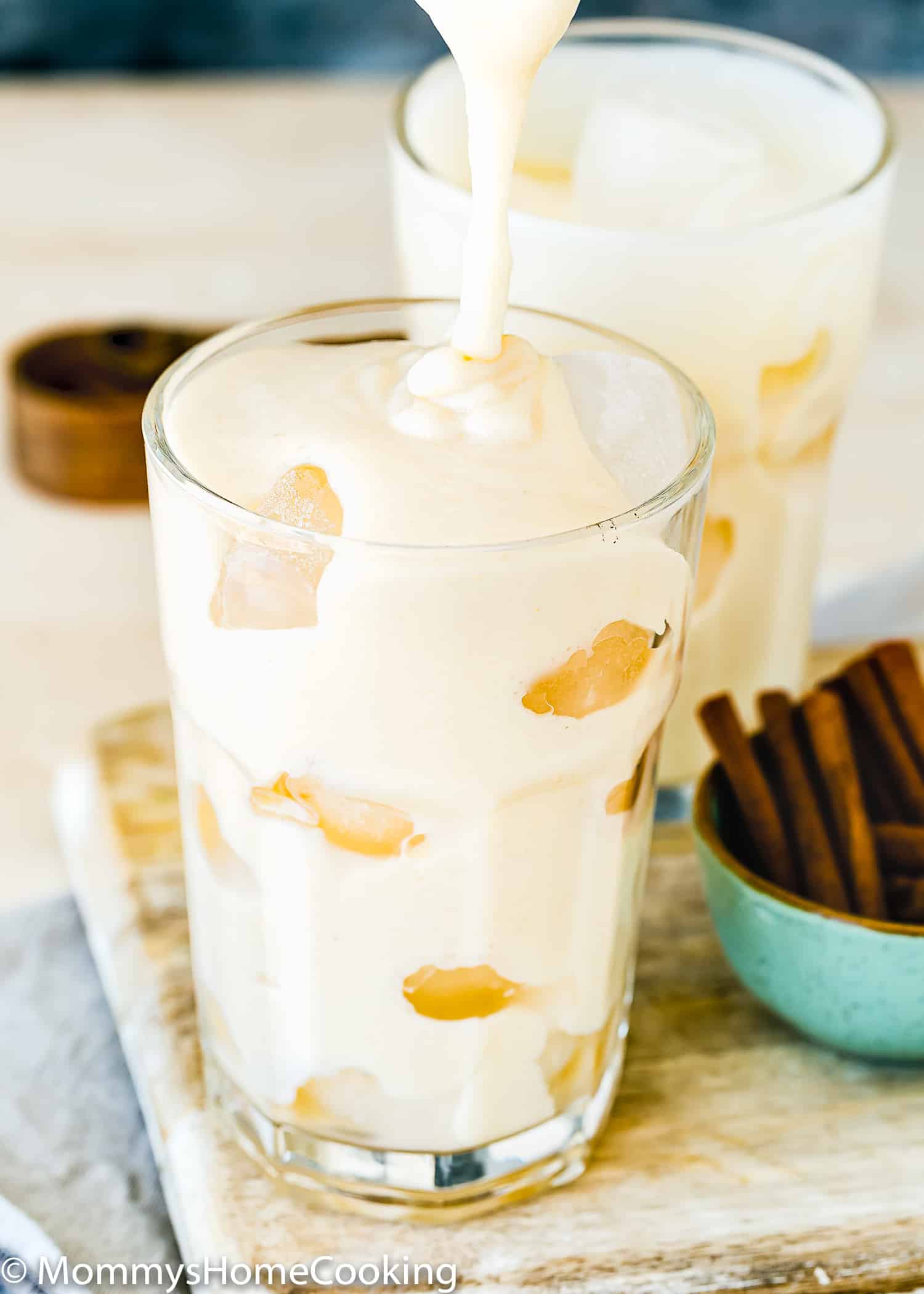
Serve Venezuelan Chicha over ice and sprinkle with ground cinnamon. If you want to make it super decadent, drizzle some more sweetened condensed milk or dulce de leche on top.
Pro Tip: Spike it with booze! You can add a splash of rum. To really maximize this experience, top it off with some ground cinnamon.
Storing Instructions
Storing: Keep Venezuelan Chicha in an airtight pitcher or container in the refrigerator for up to 5 days. Stir well before serving. Serve cold over plenty of ice.
Freezing: Yes, chicha freezes well! Pour into a freezer-safe container, leaving an inch of space at the top, and freeze for up to 2 months. Thaw overnight in the refrigerator, then blend briefly before serving to restore the creamy texture.
Frequently Asked Questions
Venezuelan Chicha (chicha venezolana) is a sweet, creamy, non-alcoholic rice drink that’s one of Venezuela’s most beloved beverages. It’s made by cooking white rice until very soft, then blending it with three kinds of milk — whole, evaporated, and sweetened condensed. It’s served ice-cold, usually with a dusting of ground cinnamon on top, and it tastes like blended rice pudding in a glass. Think of it as Venezuela’s answer to horchata — richer, creamier, and sweeter.
Venezuelan Chicha is made with white rice, cinnamon sticks, and three kinds of milk: whole milk, evaporated milk, and sweetened condensed milk. A touch of vanilla extract adds warmth, and a pinch of salt balances the sweetness. It’s served over ice and finished with ground cinnamon on top. Some people drizzle extra condensed milk or dulce de leche on top for even more indulgence.
To make Venezuelan Chicha, you soak white rice with cinnamon sticks for at least an hour (overnight is best), then cook it until the rice is very soft and mushy. Once cooled to room temperature, you blend the rice with whole milk, evaporated milk, sweetened condensed milk, and vanilla extract until completely smooth. Refrigerate until cold, stir well before serving, and pour over ice with ground cinnamon on top.
Any short-grain or long-grain white rice works well. I use whatever I have on hand — the type of rice matters less than how you cook it. The key is cooking the rice until it’s very soft and starting to break down. That’s what creates the smooth, creamy texture after blending.
If you don’t have evaporated milk, you can make your own — check out my tutorial on how to make evaporated milk at home. You can also substitute regular whole milk, but the chicha will be thinner and less rich. For a dairy-free version, coconut evaporated milk works great and keeps the creaminess closest to the original.
Serve Venezuelan Chicha in tall glasses over plenty of crushed ice and finish with a generous sprinkle of ground cinnamon. For the full Venezuelan street-cart experience, drizzle extra sweetened condensed milk or dulce de leche over the top. Adults can add a splash of rum — it’s delicious. Always stir the chicha well before pouring since it separates as it chills.
Absolutely — chicha is actually better after a few hours in the fridge when the flavors have had time to settle. Make it up to 2 days ahead and store it in an airtight pitcher or container. Give it a good stir or quick blend before serving, since it will naturally separate as it sits. The chicha will also thicken a bit as it chills, so have a splash of milk ready to thin it to your liking.
Venezuelan Chicha tastes like cold, creamy rice pudding in a glass — sweet and milky with warm cinnamon running through every sip. It’s thick enough to feel indulgent but refreshing enough to drink on a hot day. If you love horchata, think of chicha as the Venezuelan cousin — richer, creamier, and sweeter, without the almond flavor.
They’re similar — both are creamy, cold rice drinks — but they’re distinct. Mexican horchata is typically made with raw rice soaked with almonds and is lighter in texture. Venezuelan Chicha is made with cooked rice and three kinds of milk, which gives it a much richer, thicker consistency. Chicha is also sweeter thanks to the condensed milk. If you love horchata, chicha is your next obsession.
Yes! Replace the whole milk with oat milk or coconut milk, the evaporated milk with coconut evaporated milk (Carnation makes one), and the sweetened condensed milk with a dairy-free sweetened condensed milk, available at most health food stores or online. The flavor will be slightly different but still delicious and creamy. I haven’t tested every combination, so start with the coconut-based swaps — they get closest to the original richness.

Recipe Card

Easy Venezuelan Chicha Recipe
Important
• For best results, I highly recommend using a kitchen scale to measure the ingredients.
Ingredients
- 1 cup (215 g) white rice
- 2 cinnamon sticks
- 5 cups (1.2 l) water, divided
- 1 teaspoon (6 g) salt
- 1 cup (240 ml) whole milk
- 12 oz (354 ml) evaporated milk
- 14 oz (397 g) sweetened condensed milk
- 2 teaspoons (10 ml) pure vanilla extract
- Crushed ice and ground cinnamon to serve
Instructions
Soak the rice:
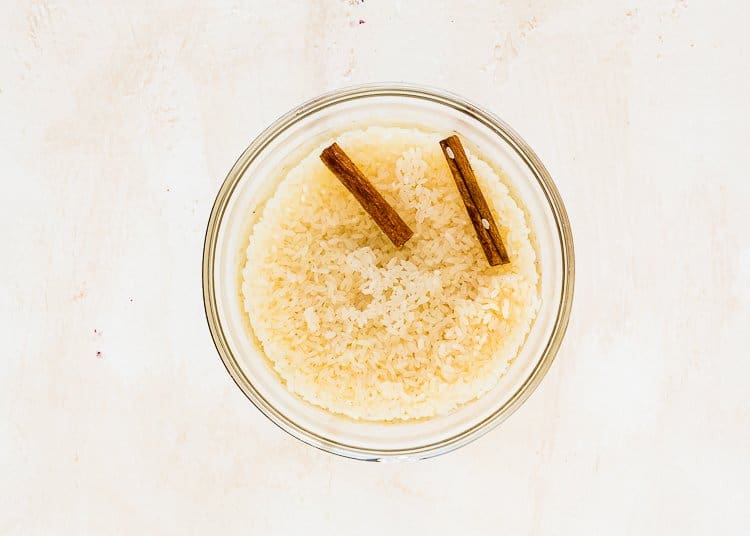
- Place the rice, cinnamon sticks, and 1 cup of water in a medium bowl; stir to combine. Let the rice soak for at least 1 hour — or overnight for the best flavor. After soaking, the rice will look slightly swollen and opaque. That’s exactly what you want.

Cook:
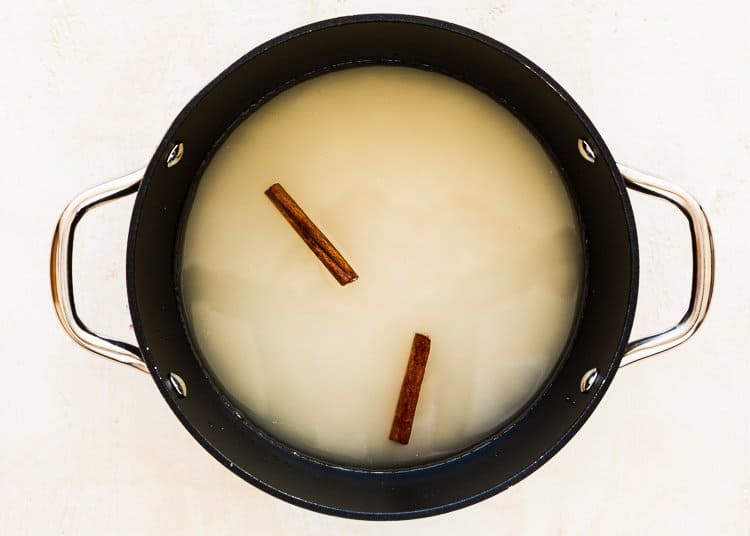
- Transfer the soaked rice (no need to drain) to a large saucepan. Add the remaining 4 cups of water and the salt; stir to combine.

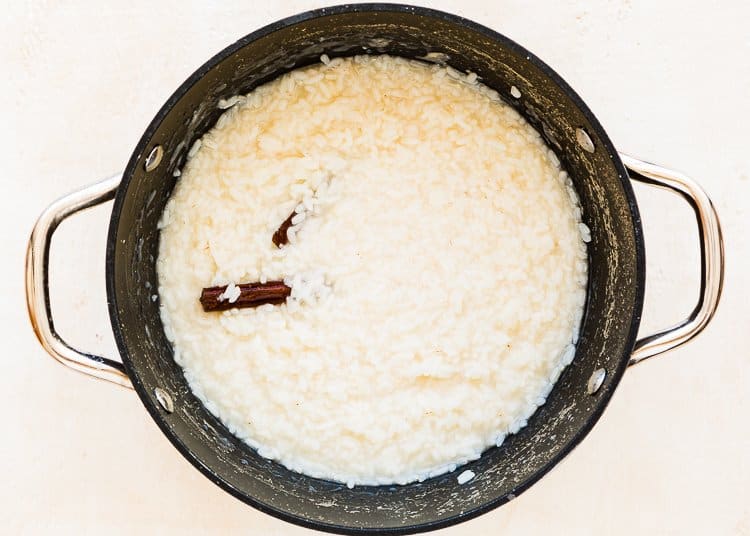
- Bring to a boil over medium heat, then reduce to medium-low and cook for 30–35 minutes, stirring occasionally, until the rice is very soft and breaking down. It should look like thick porridge, with most of the water absorbed. You'll know it's ready when a grain squishes completely between your fingers with no resistance. Remove from heat and let the rice cool to room temperature before moving to the next step.

Blend:
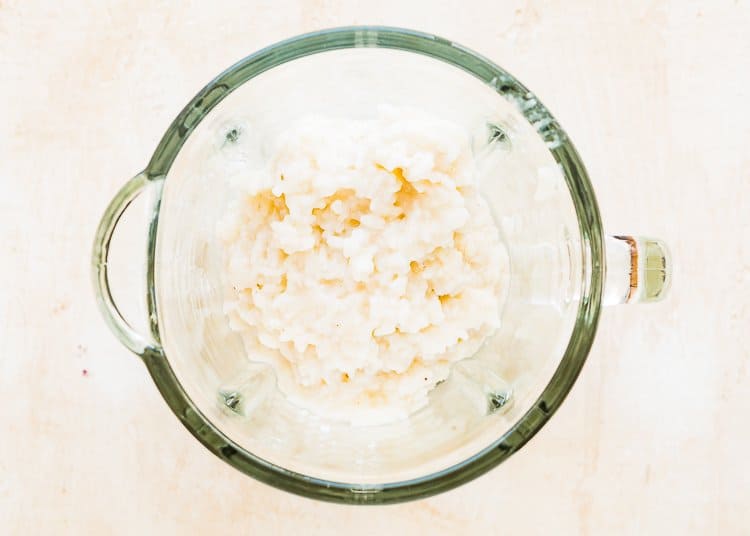
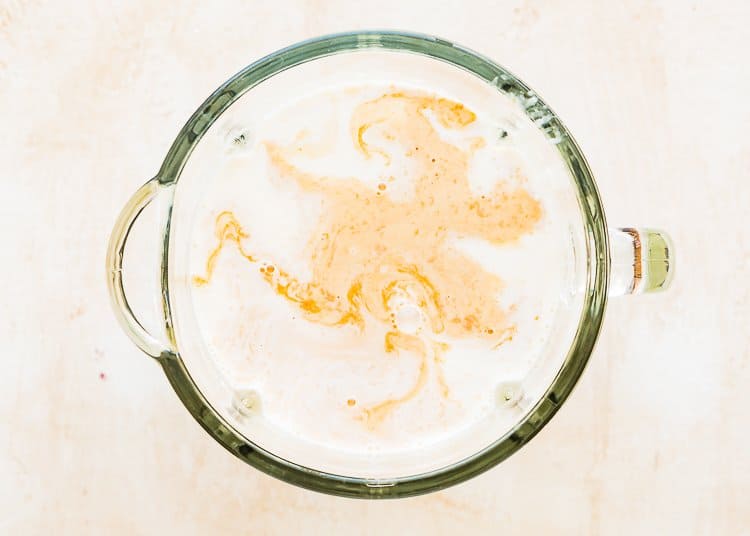
- Remove and discard the cinnamon sticks. Make sure the rice is fully cooled to room temperature before blending — hot rice creates steam that can pop the blender lid. Transfer the rice to a blender. Add the whole milk, evaporated milk, sweetened condensed milk, and vanilla extract.

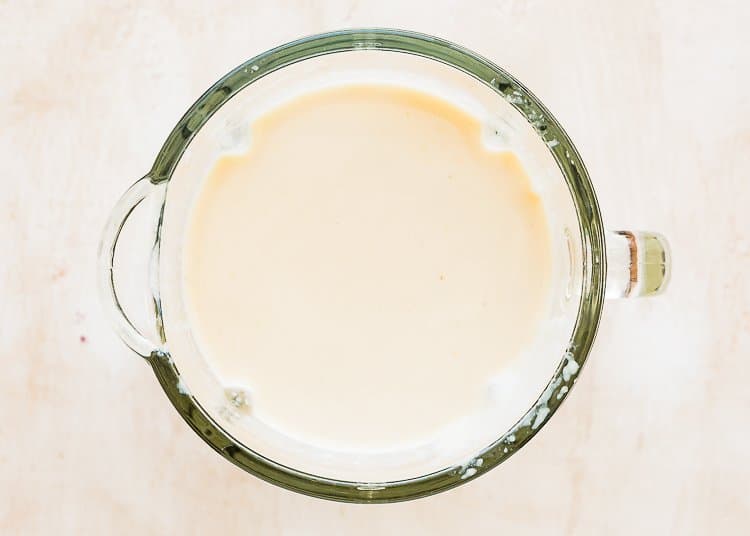
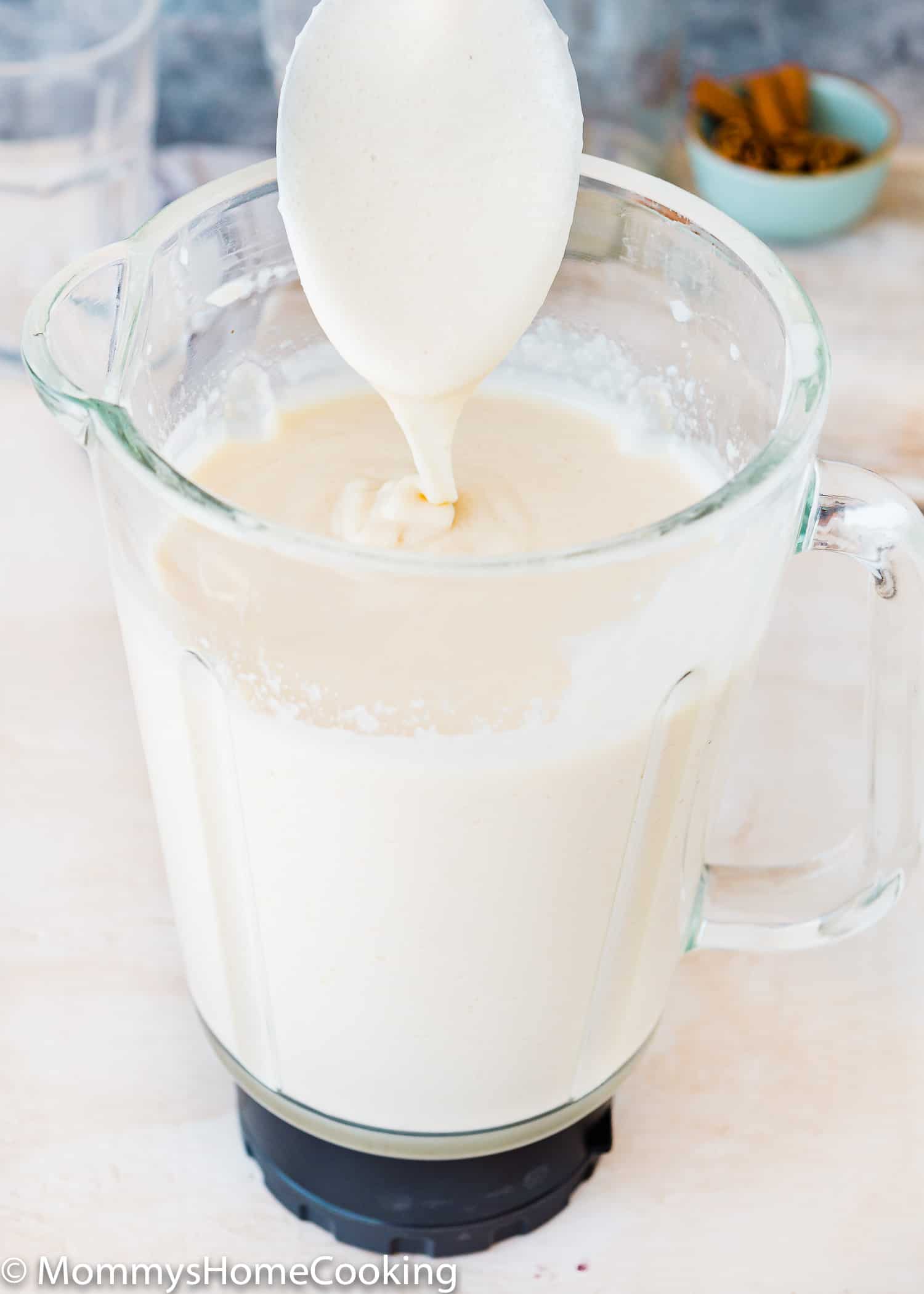
- Blend on high until completely smooth and creamy — the mixture should be thick, pale, and uniform with no visible rice pieces. Add more milk, a splash at a time, if you prefer a thinner consistency.

Refrigerate:
- Pour the chicha into an airtight pitcher or container and refrigerate until cold, at least 1 hour. Stir well before serving.

Serve:
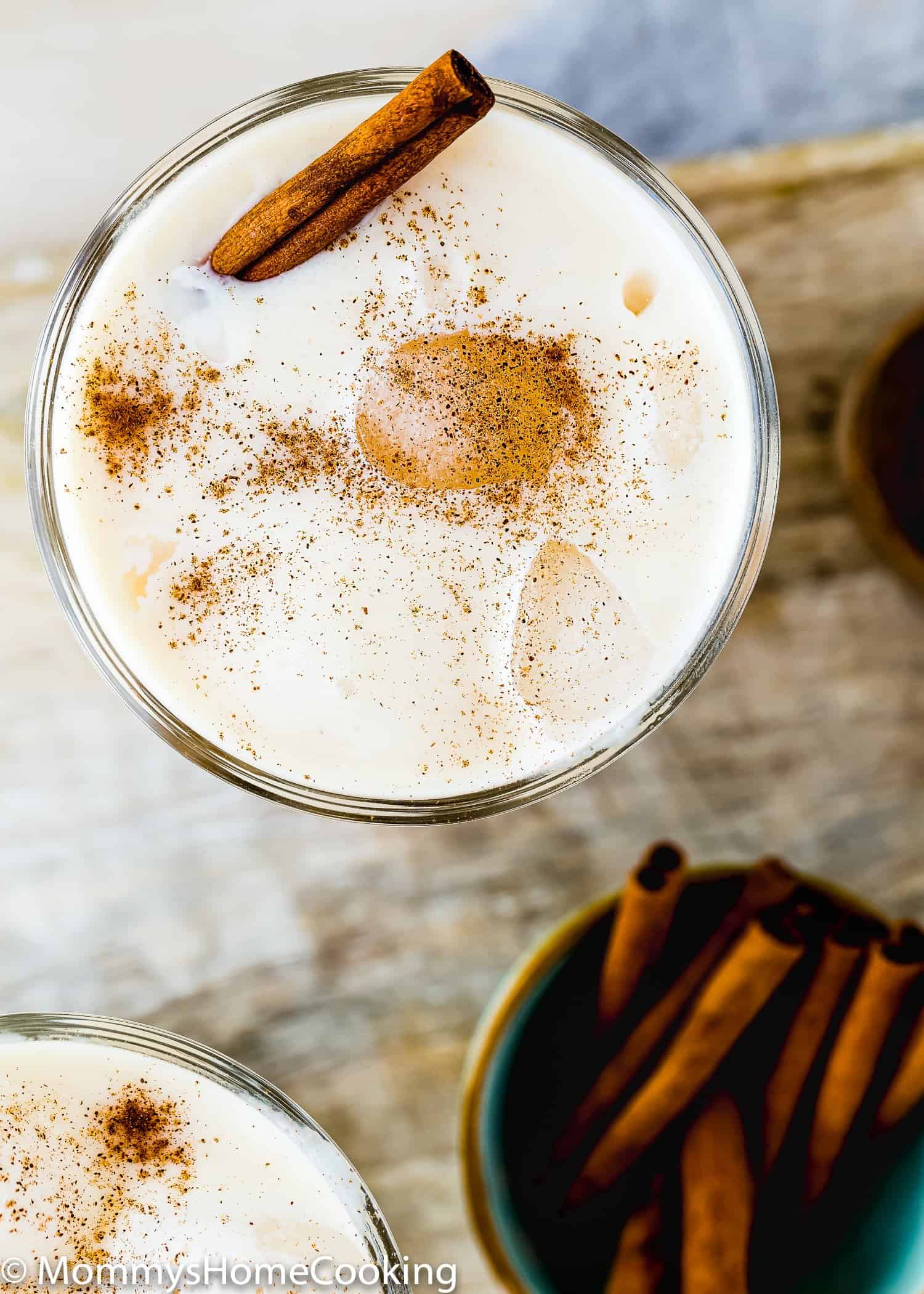
- Pour into tall glasses over plenty of crushed ice. Finish each glass with a generous sprinkle of ground cinnamon.

- Milk: You can use your favorite non-dairy milk, like soy or oat milk.
- Evaporated Milk: Use evaporated coconut milk or evaporated oat milk, or make your own dairy-free evaporated milk with your favorite plant-based milk. Evaporated milk is just milk that has been reduced to eliminate the water content, so it’s super easy to make at home with any milk of your choice. Check out my How to Make Evaporated Milk post. If evaporated milk is not an option, you can use any dairy-free milk, but keep in mind that the texture might change slightly.
- Sweetened condensed milk: My favorite dairy-free substitute is NATURES CHARM Sweetened Condensed Oatmilk.
- Don’t rush the soaking. Soaking the rice for at least one hour — or overnight if you can — is what gives the chicha its depth of flavor and creaminess. The longer the rice sits with the cinnamon sticks, the more fragrant and flavorful your chicha will be. I almost always soak mine overnight.
- Cook the rice until it’s really mushy. This isn’t regular fluffy rice — you want the grains to be very soft and starting to break down, almost like congee. If the rice still has texture at the 30-minute mark, give it more time. This is what creates the silky texture after blending.
- Let the rice cool completely before blending. Hot rice in a blender can be unpredictable — steam builds up, and the lid can pop. Let the rice cool to room temperature first. If you’re short on time, spread it out on a baking sheet to speed things up.
- Blend in batches if needed. If your blender is on the smaller side, don’t overfill it — blend in two batches and combine in a large pitcher. A high-powered blender gives the smoothest results, but a regular blender works fine; just blend a little longer.
- Adjust the thickness to your taste. Right out of the blender, chicha is thick and rich. Some people love it that way; others prefer it thinner. Add whole milk a splash at a time until you reach the consistency you like. Keep in mind it will thicken a little more as it chills in the fridge.
- Double or triple the recipe for a larger crowd. This recipe makes enough to serve 8 people. If you’re throwing a party, you may want to make more. Trust me, it’ll be gone quickly!
I appreciate your feedback, and it helps others, too!
Recipe reviews on the website are extremely valuable to other readers online. So, please don’t forget to give it a 5-star rating below.Nutrition
Nutrition information provided is an estimate and will vary based on cooking methods and brands of ingredients used.
Originally posted in July 2020, the post content was edited to add more helpful information, with no change to the recipe in May 2022. And then updated again in April 2026.


Thank youuuuu so much✨💖. I loved this recipe 🤤😄
I am Puerto Rican and this tasted exactly like the ones they make in Puerto Rico 🇻🇪
Hello Kéla piña! Oh that makes me so happy to hear! I love that it brought you those Venezuelan flavors. So glad you loved it and made it part of your kitchen 💛
I was born in Venezuela and lived there until I was seven. My parents used to always buy Chi Chi, and I drank it all the time. After we moved to the U.S., I could never find it again. Now, at 57 years old, I can still remember the unique taste—it’s something I’ve never forgotten. Your recipe and measurements came the closest I’ve ever found to that childhood Chi Chi from Venezuela. Thank you for bringing back such a special memory.
Hello Michael! Oh wow, your message gave me goosebumps! 🥹💛 It means so much to hear that the recipe brought back such a special childhood memory. Chicha is such a nostalgic treat for so many of us from Venezuela, and I’m incredibly honored that my version came close to what you remember. Thank you for sharing your story—it truly made my day! 💛🇻🇪✨
Oh sorry I meant Venezuela 😃😅
Sounds yummy 😋
Do you drain the rice after it’s cooked, before blending?
Linda
No need to drain the rice after it’s cooked, Linda! 😊 You’ll want to keep the liquid, as it helps with the blending process and adds to the overall texture and flavor. Let me know how it turns out! 😋🍚
Excellent recipe! Carefully detailed information and very organized.
Hello Eduardo! Thank you so much for your kind words! 😊 I’m so glad you found the recipe detailed and organized—that’s exactly what I aim for! I really appreciate you taking the time to share your feedback.
I have not made your version yet. I lived in Venezuela a LONG time ago, and there was a chicha stand on every corner. When I came home, I had to figure out how to make it — there was no internet back then. Turns out what I taught myself and your recipe have only two changes: I blend the dry rice first to help make it smooth after cooking, and I use half-n-half instead of evaporated milk. (I’ve never liked the canned taste of evaporated). What I like about your recipe is there are actually measurements, something I only had through trial-and-error. Thank you!
(My granddaughter and I are making a Venezuelan “tasting menu” next week. This and casillo are on the menu for sweets.)
Hello Laurie! That sounds like such a fun project! It’s amazing how you taught yourself to make chicha, and your version with blended dry rice and half-n-half sounds delicious. I’m glad my recipe with measurements can be helpful for you! Your Venezuelan “tasting menu” sounds like a fantastic idea, and having chicha and quesillo for sweets will surely make it special. Enjoy the cooking and tasting with your granddaughter! If you ever need more recipes or tips, feel free to reach out.
When cooking the rice, am I supposed to put a lid on t\
Hello Sabrina! No, you don’t need to put the lid on, just make sure you cook it until the rice is super tender and mushy so the chicha is smooth. Thanks for your interest in my recipe. Please come back and let me know how you like it =)
Hi what can I do to fix my chicha if it’s still a little grainy? I tried straining and blending it but still has bits of rice I can feel
Hello Roxy! It sounds like you did not cook the rice long enough. You must cook it until it’s super tender and mushy to avoid this issue. I hope you give it a try again soon. xo
It made a huge amount. 3 quarts in total. For me, I would cut the salt down a lot. 1/4 tsp at most. The vanilla is probably double similar recipes. I had high hopes this drink would replace egg nog for me but sadly it will not. I will play with crushed ice and extra sweetened condensed milk in each cup. I probably have 24 servings though, after thinning to barely a liquid
Hello David! Chica and egg nog are two completely different drinks. If you are looking for a egg-free egg nog recipes I suggest you to try https://mommyshomecooking.com/homemade-eggless-eggnog/
My family calls it “rice nog”!
Hello Laurie! Make sense =) Thanks for your interest in my recipe. Please come back and let me know how you like it =)
I had this in a Venezuelan restaurant in Madeira recently and absolutely loved it. The question I have is do you use all 5 cups of water in the cooking process or do you drain the cup of water the rice is soaked in? My guess would be to use it but 5 cups of water to 1 of rice plus milk seems a lot and it would end up too thin.
Hello Paul! You do not need to strain it; just soak the rice and then transfer it to a pot and add the remaining 4 cups of water. Most of the water will be absorbed by the rice during the cooking process, so it won’t be too thin. The whole point is to cook the rice until it’s super tender and mushy. Thanks for your interest in my recipe. Please come back and let me know how you like it =)
I heard you supposed to chew the rice and spit it out for the flavour
Hello Ffg! Maybe you heard about chicha beer, which is a Peruvian drink. Venezuelan chicha is completely different. Hope you give it a try soon!
Do you blend the cinnamon sticks or remove them before blending? Also before cooking do we drain the first cup of water before adding the 4 or keep it in?
Thanks!
Hello Victoria! You have to remove the cinnamon sticks before blending. No need to drain the rice. Thanks for your interest in my recipe. Please come back and let me know how you like it =)
The Chicha was a big hit, We only ran into two problems while we work cooking this in the classroom.. 1) The recipe does not say to remove the cinnamon sticks and when. We had to use our best judgement on this one. 2) there was way too much liquid involved in this recipe for it all to fit into a standard sized blender. We ended up doing it in batches and then stirring together in a larger pitcher.
Hello Sue! So glad your class enjoyed this recipe. Thanks so much for the feedback and for taking the time to come back and let me know!
Delish. Reminds me of tapioca pudding. Will make again.
Hello Danielle! It sounds like you nailed it! Thanks so much for trying my recipe and taking the time to come back and let me know.
Hello Oriana. Thank you very much! I prepared the Chicha and it was delicious, just as it is in texture and flavor, it was a success! I did not use evaporated milk because I did not have it, I replaced it with a little more milk. I did double amount. Store the remaining cooked rice in the fridge, and after two days prepare the chicha, it tasted much better. Highly recommend this recipe. It brought back so many memories.
Hello Yolimar! I’m delighted to hear you enjoyed it so much. This is my husband favorite drink, he could drink the whole thing all by himself. Thanks so much for trying my recipe and for taking the time to come back and let me know!