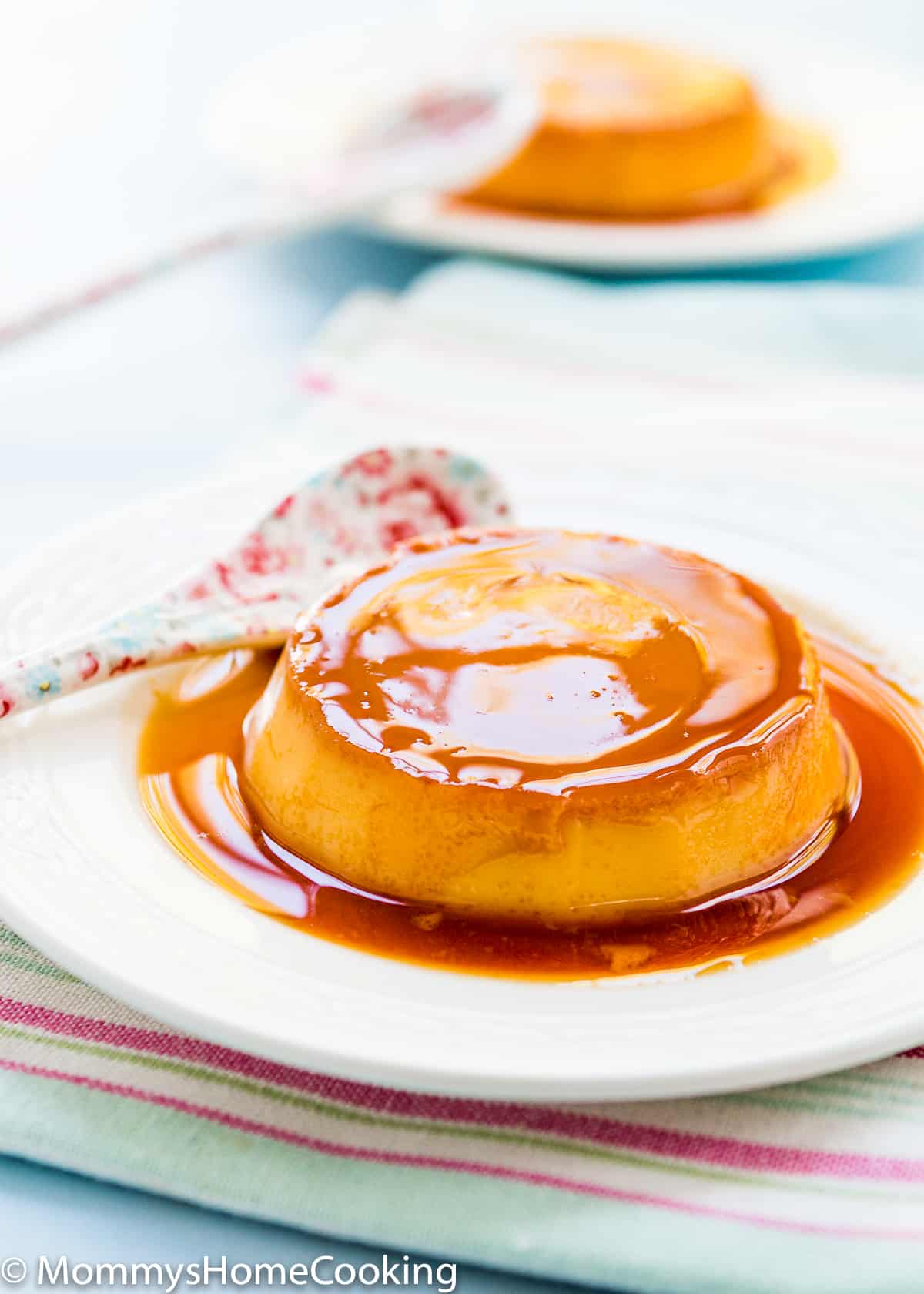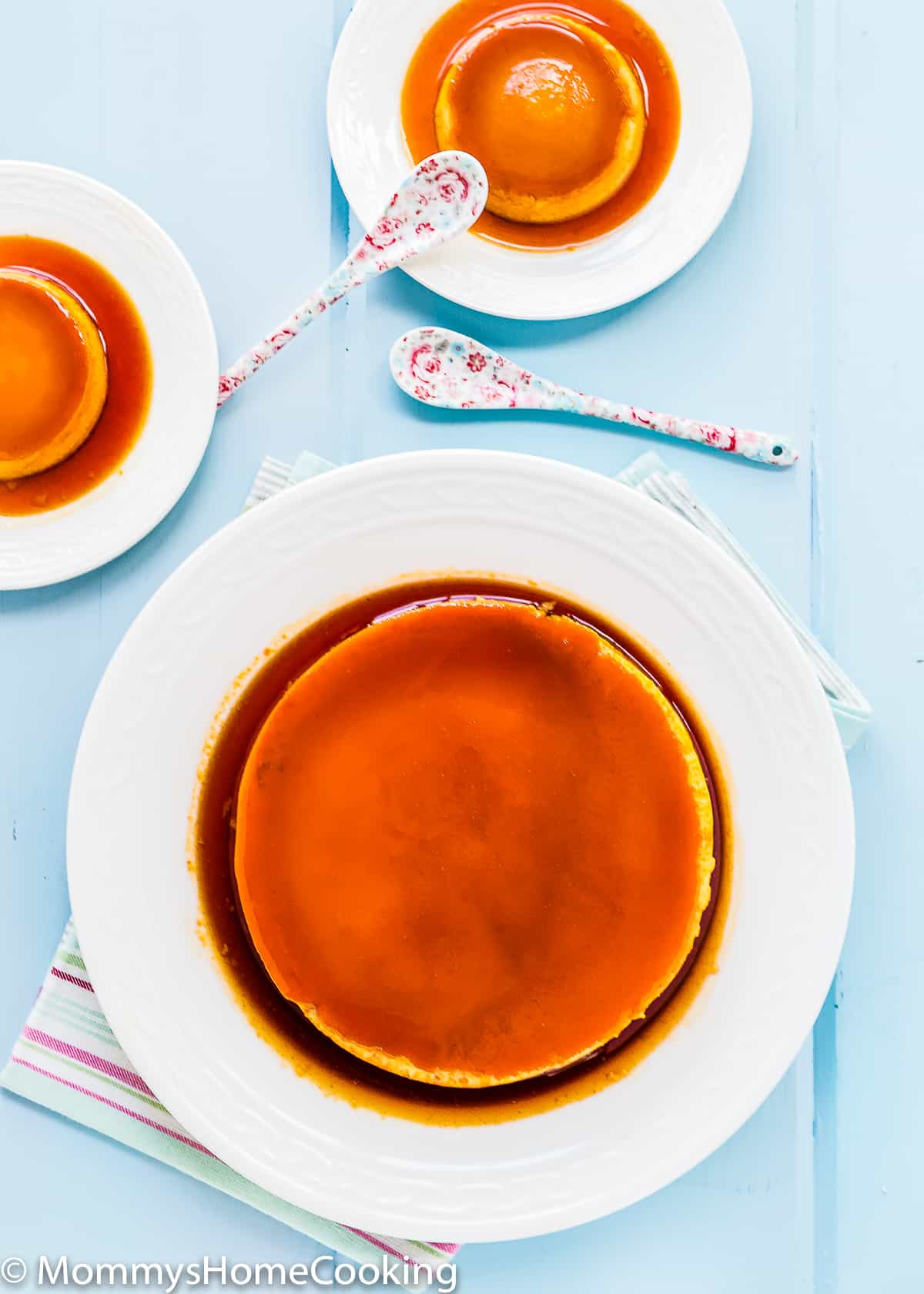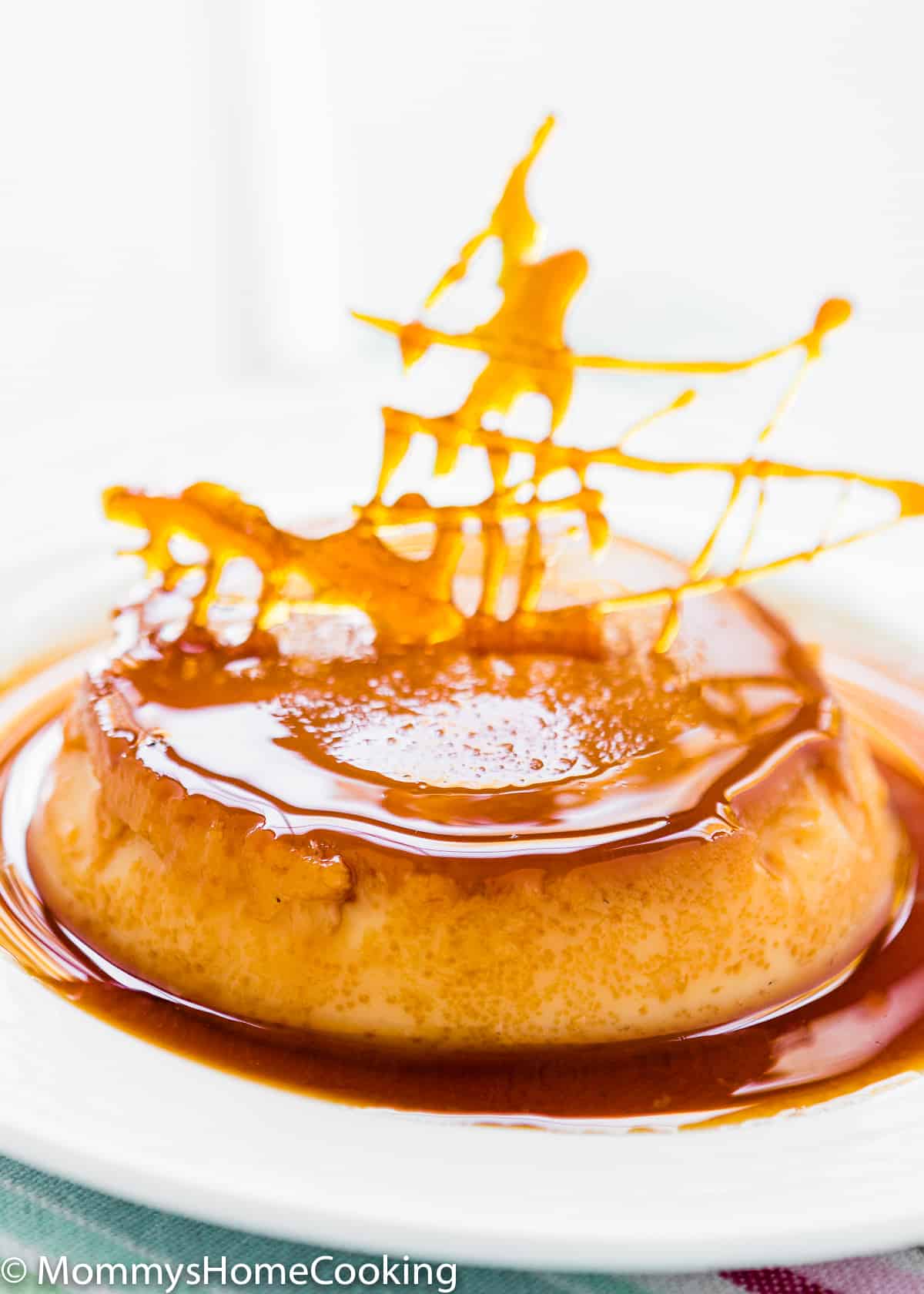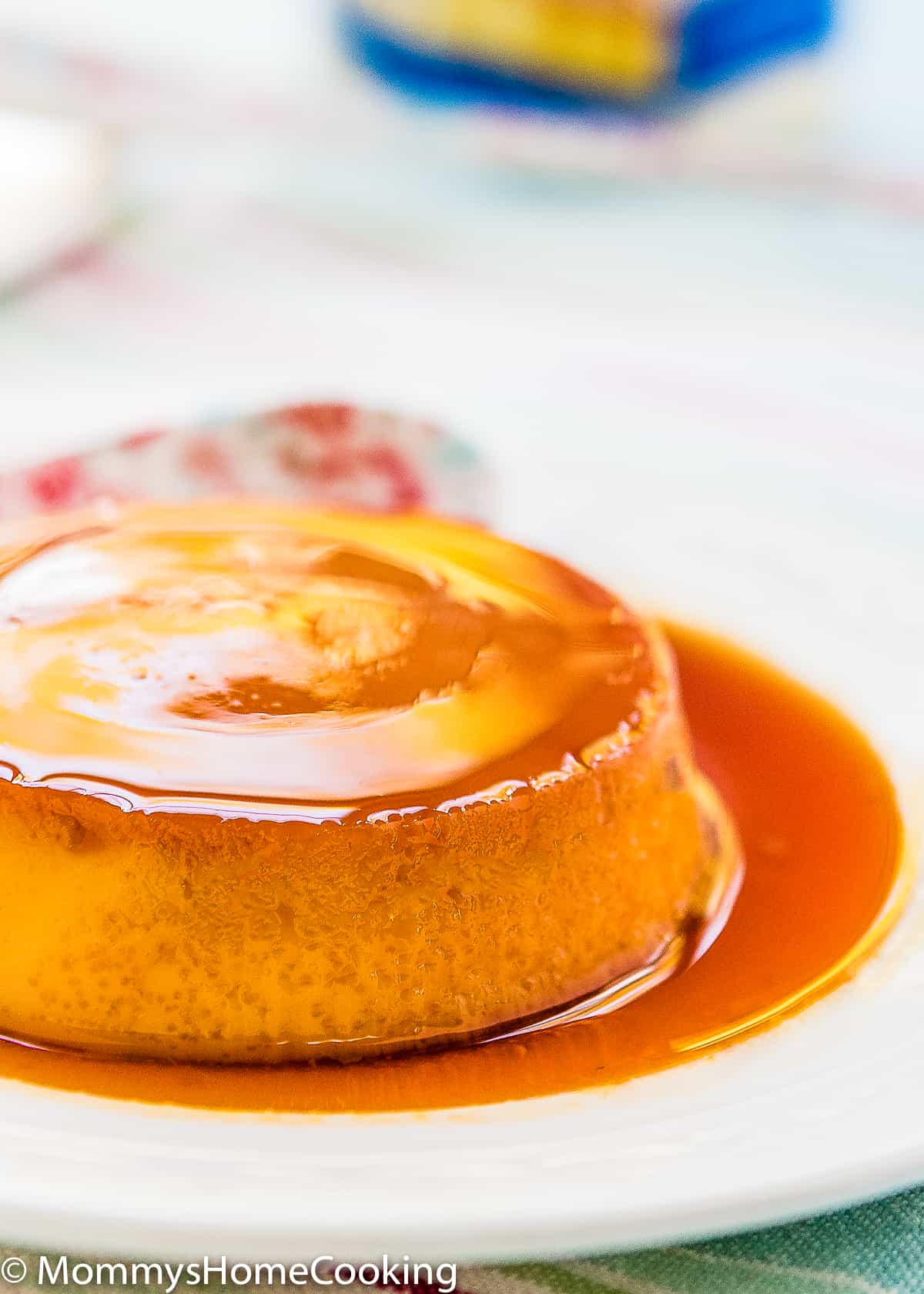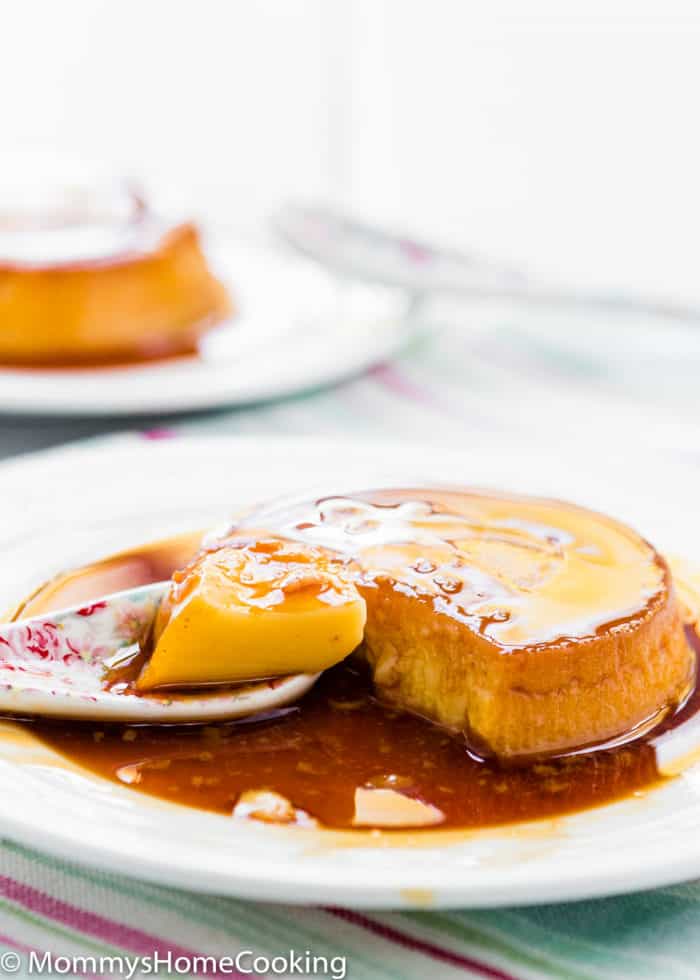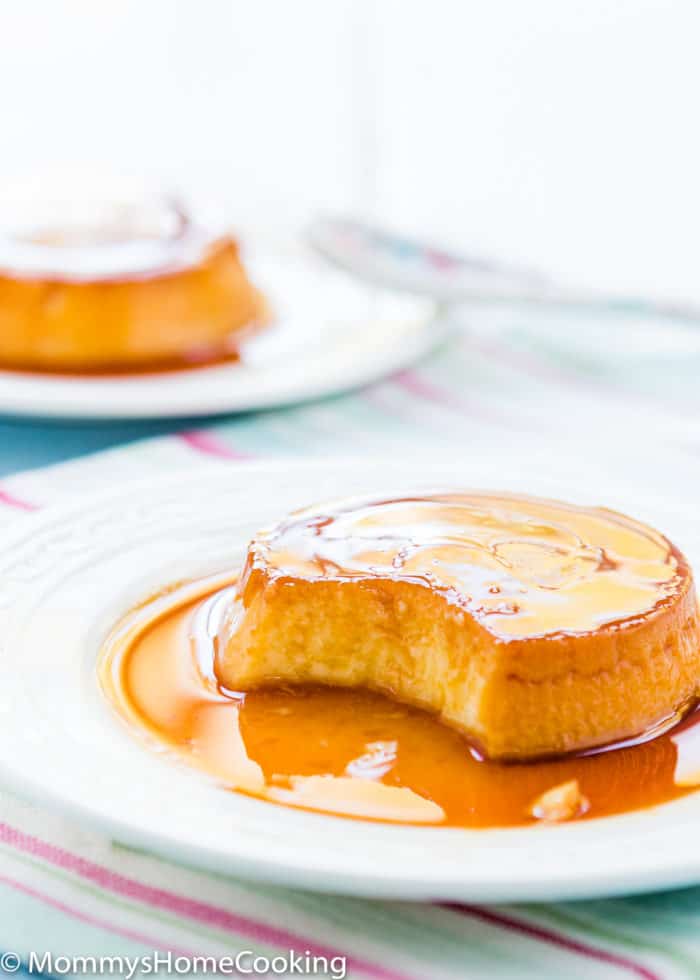
Venezuelan Quesillo is Venezuela’s beloved caramel custard — silky, rich, and blanketed in a golden caramel that cascades down the sides the moment you unmold it. Unlike traditional flan, quesillo is made with whole eggs and sweetened condensed milk, giving it a uniquely creamy texture with the signature tiny holes that inspired its name. I’ve been making this recipe for as long as I can remember, and it’s the dessert that disappears first at every family gathering. Whether you’re Venezuelan and craving a taste of home, or discovering this incredible dessert for the first time, this is the authentic recipe you’ve been looking for — and if you need an egg-free version, I’ve got that covered too.

Oriana’s Thoughts On The Recipe

Venezuelan Quesillo holds a special place in my heart—it’s a dessert I made countless times for my family before my daughter’s egg allergy diagnosis. This traditional flan-like treat, rich and creamy with a hint of caramel, was something we all loved, and it became a staple at our family gatherings. It’s a recipe that’s been passed down in my family and cherished for generations, and I have such vivid memories of making it over and over, perfecting it, and watching my family enjoy every bite.
This quesillo recipe is the one I used for years, long before I started creating egg-free versions of our favorite treats. Its silky, melt-in-your-mouth texture and subtle caramel flavor made it a beloved dessert that we looked forward to again and again. Even though I’ve since developed an egg-free quesillo to meet my daughter’s needs, this original recipe remains deeply meaningful. It’s more than just a dessert; it’s a sweet reminder of our family’s culinary traditions, and each time I make it, I feel connected to those joyful memories.
As you try this traditional quesillo, you’ll taste a piece of my family’s story—a dessert that brings warmth, love, and a touch of Venezuelan heritage to every spoonful.
Here’s why you’re going to love it:

What Is Venezuelan Flan Quesillo?
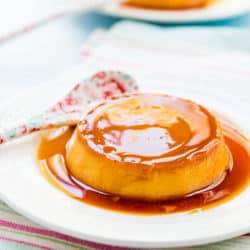
Venezuelan quesillo is a traditional caramel custard dessert — Venezuela’s beloved version of flan, made with whole eggs, sweetened condensed milk, and a golden caramel that coats the top when unmolded. The name quesillo means “little cheese” in Spanish, named for the tiny holes that form throughout the custard as it bakes — a texture that reminded Venezuelans of the holes in Swiss cheese. (No actual cheese involved, promise!)
While quesillo and flan are closely related, they’re not identical. Traditional flan uses only egg yolks, which creates a denser, silkier texture. Quesillo uses whole eggs, giving it a slightly firmer, spongier custard with those signature holes. The use of sweetened condensed milk also makes quesillo richer and sweeter than most flan recipes.
As for caramel pudding — quesillo is baked in the oven using a water bath, which gives it a firm, sliceable texture you can unmold onto a plate. Caramel pudding is typically stovetop or steamed and tends to be softer and looser. Same caramel-and-custard flavor family, very different technique and result.
What Is a Quesillera?
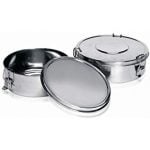
A quesillera (also called a flanera) is the traditional round aluminum mold used to make quesillo. It comes with a lid — which is what makes it perfect for the water bath — and it’s lightweight, easy to find at Latin grocery stores, and honestly one of my most-used kitchen tools. If you want the most authentic result, a quesillera is worth having.
That said, you don’t need one to make this recipe. A standard 8-inch round cake pan covered tightly with aluminum foil works beautifully. The foil does the same job as the lid — it traps the steam and ensures the custard cooks gently and evenly. I’ve used both methods many times, and the result is just as good.

What You’ll Need and Why
Amounts are included in the printable recipe below (scroll down).
- Granulated sugar — this is what becomes your caramel. That deep amber sauce pooling around the quesillo when you unmold it? All from sugar. Don’t rush it and don’t walk away — caramel can go from perfect to burnt in seconds.
- Eggs — whole eggs give quesillo its structure and that uniquely firm yet creamy texture. They’re also what creates the tiny holes throughout — that’s not a mistake, that’s the signature of a real quesillo. (Traditional flan uses only yolks, which is why the texture is different.)
- Sweetened condensed milk — the heart of this recipe. It gives quesillo its richness, its sweetness, and that unmistakably creamy flavor. Do not swap this for evaporated milk — they are completely different products, and the result will not be the same.
- Whole milk — this balances the richness of the condensed milk and creates the silky custard texture. Whole milk is best here; lower-fat milks can affect how the custard sets.
- Pure vanilla extract — just a teaspoon, but it adds a warmth and depth that rounds everything out. Use pure extract, not imitation, for the best flavor.
How To Make Venezuelan Flan Quesillo
Detailed instructions are included in the printable recipe below (scroll down).
Step 1 – Prepare The Oven
Preheat the oven to 375º F. Place the oven rack in the middle.
Step 2 – Make The Caramel
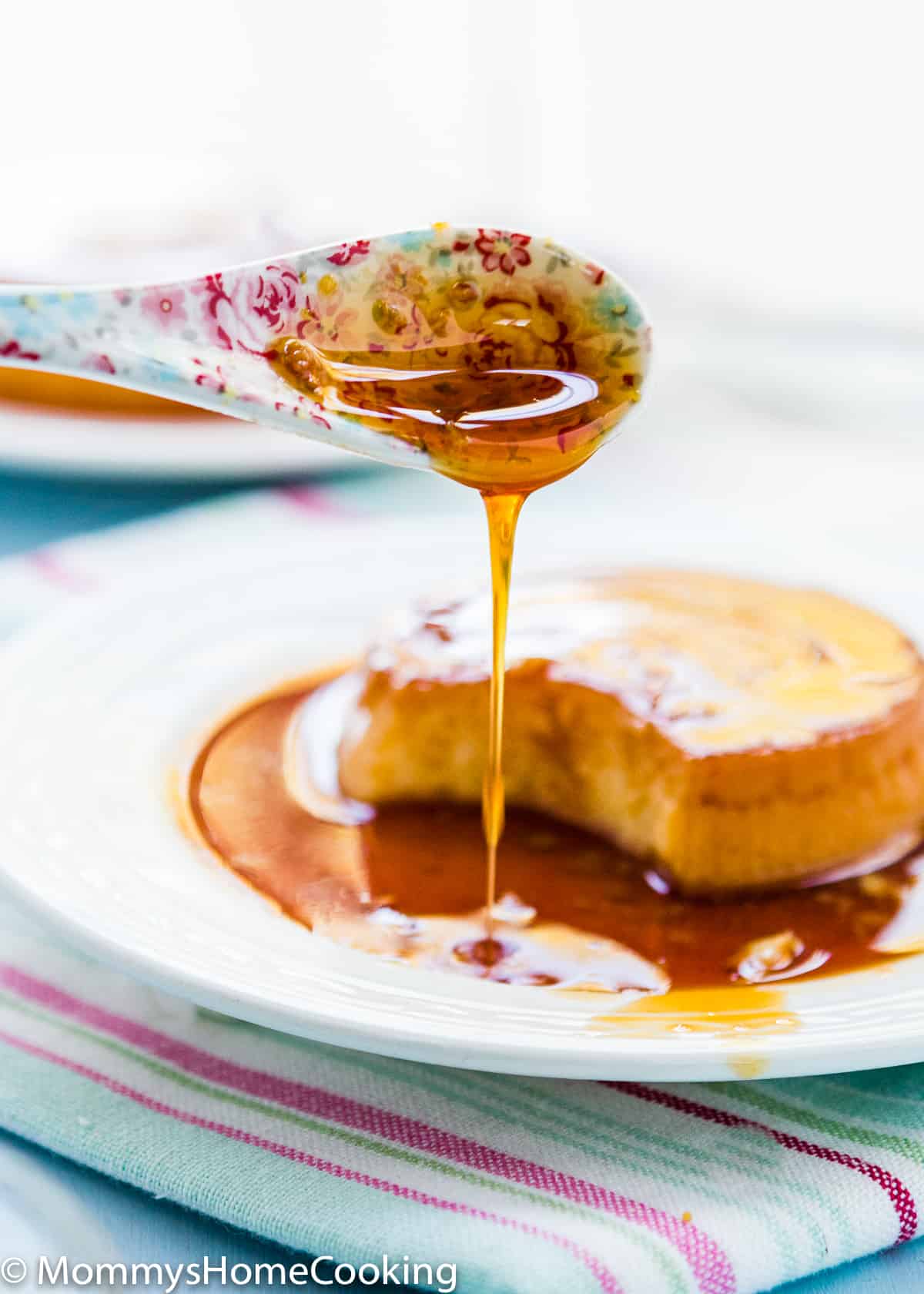
Add the sugar to a heavy-bottomed pot or pan over medium-low heat, stirring constantly to prevent burnt spots. If your caramel looks very lumpy and grainy, don’t worry. Just lower the heat and keep stirring until the sugar dissolves and the syrup turns deep amber.
Very carefully pour caramel into the flan mold. Using oven mitts as an aid, immediately tilt the mold to coat the sides. Set aside and let it cool for about 10 minutes, or until the caramel is hard.
Step 3 – Make The Custard
Put the rest of the ingredients into a blender and blend for 2 -3 minutes. Pour the custard into the caramel-coated flan mold. Cover with the lid or aluminum foil.
Step 4 – Bake In A Water Bath
To bake it, we are going to use a water bath, a.k.a Bain-Marie. Fill a large roasting pan with about an inch or so of hot water (not boiling). Place the flan mold with custard in the center. Carefully transfer to the middle oven rack, and bake for 60 minutes. The flan will be ready when the center is just set (mixture will jiggle). Set aside and let it cool. Place in refrigerator for at least 2 hours before serving.
To unmold, run a knife around the edges of the Venezuelan flan quesillo and invert it onto a large-rimmed serving platter.

Oriana’s Tips for Perfect Quesillo
- Watch the caramel like a hawk. Once the sugar starts melting and turning color, it moves fast. Go from clear → golden → amber → burnt in what feels like seconds. Pull it off the heat the moment it hits a deep amber color. If it smells like it’s burning, it already has — start over rather than risk a bitter caramel.
- Don’t skip the water bath. This is non-negotiable. The water bath (bain-marie) is what gives quesillo its gentle, even cook and prevents the custard from curdling or cracking. Fill the roasting pan with hot water to about halfway up the sides of the mold.
- Don’t put a hot quesillo straight in the fridge. Let it cool to room temperature first — at least 30 minutes on the counter. Putting a hot custard in the fridge causes cracks on the surface. Once it’s cooled down, then refrigerate for at least 2 hours before serving.
- Make it the day before. This is my biggest tip. Quesillo is genuinely better on day two — the caramel has time to slowly seep into the custard overnight, making every bite even richer. It’s also one less thing to worry about on the day you’re serving it.
- Stuck caramel? Warm water is your fix. If you go to unmold the quesillo and the caramel is stuck to the bottom of the mold, set the mold in a shallow dish of warm water for 30 seconds. The warmth loosens the caramel, and it releases cleanly.
- Don’t worry about the holes. If you see tiny holes throughout your quesillo, that means you made it correctly. That texture is the signature of Venezuelan quesillo — it’s what makes it different from flan, and it’s where the name comes from. Embrace them.
- Condensed milk and evaporated milk are not the same. I say this because it’s the most common mistake I see. Condensed milk is thick and sweet. Evaporated milk is thin and unsweetened. They cannot be swapped in this recipe.
Make Ahead, Storage & Freezing
This Venezuelan flan quesillo always gets eaten up so quickly that you might not even have leftovers to pack up! But if you do have leftovers or you’re planning on making these ahead of time for a party, here’s how to do so.
- Making ahead: Quesillo is one of the best make-ahead desserts you can serve. Make it 1–2 days before you need it, keep it covered in the fridge, and it will be even better than if you made it the same day. The caramel has time to meld into the custard, and the flavors deepen beautifully. This is exactly what I do before holiday meals and family gatherings.
- Leftovers: Cover tightly and store in the refrigerator for up to 5 days. Keep it in the mold until you’re ready to serve the next portion — it stays fresher that way. If you’ve already unmolded it, cover the serving plate with plastic wrap.
- Freezing: You can freeze quesillo, though the texture does change slightly after thawing — it becomes a little denser. If you do freeze it, wrap individual slices tightly in plastic wrap, then place them in a freezer-safe bag for up to 1 month. Thaw overnight in the refrigerator before serving. For the best result, I recommend enjoying it fresh within 5 days.

What to Serve With Venezuelan Quesillo
Quesillo is the dessert that closes a Venezuelan feast — and here’s how to build the rest of the table:
For the main course: My Venezuelan Asado Negro is the classic pairing — that slow-cooked black beef and the caramel quesillo together is a combination every Venezuelan family knows. Arroz con Pollo is another beautiful option if you want something a little lighter.
To start: Venezuelan Tequeños are the perfect appetizer — warm, cheesy, impossible to stop eating. They set the tone for the whole meal.
For drinks: Serve alongside a cold glass of Venezuelan Tizana — the creamy rice drink that Venezuelans have been pairing with dessert for generations.
For another sweet finish: Venezuelan Bienmesabe is a no-bake coconut cream dessert that’s just as traditional and pairs beautifully if you’re feeding a crowd.
Frequently Asked Questions
No, it’s best not to substitute! Condensed milk is much sweeter and thicker, giving quesillo its signature richness. Using evaporated milk will change the texture and sweetness.
This is totally normal! Sugar can clump up as it melts, but just keep stirring. It will smooth out into a beautiful caramel once it’s fully melted.
For an easy flip, run a knife around the edges, place your serving platter upside down over the pan, hold them firmly together, and turn them over in one motion. This helps keep the quesillo intact and looking beautiful.
Yes! Adding a bit of lemon or orange zest to the custard brings a refreshing hint of citrus that pairs perfectly with the creamy caramel.
Quesillo can be stored in the fridge for up to 5 days. Just be sure to cover it well to keep it fresh and prevent any refrigerator odors from affecting the flavor.
Those tiny holes are the hallmark of an authentic Venezuelan quesillo — and they’re completely intentional. The holes form because quesillo uses whole eggs (instead of just yolks like traditional flan), which creates a slightly firmer, more porous texture as it bakes. In fact, the name quesillo comes from the Spanish word for “little cheese” — because the holes reminded Venezuelans of Swiss cheese. If your quesillo has holes, you made it right.
Cracks usually happen for one of two reasons: the oven temperature was too high, or the quesillo went straight from the oven into the refrigerator while still hot. Always bake at the temperature specified, use a water bath to regulate the heat, and let the quesillo cool to room temperature for at least 30 minutes before refrigerating. Small surface cracks won’t affect the flavor at all — and once you unmold it caramel-side up, no one will ever know.
Absolutely — and I actually recommend it. Quesillo tastes better on day two. Making it 1–2 days in advance gives the caramel time to slowly absorb into the custard, making every bite richer and more flavorful. Keep it covered in the refrigerator until ready to serve, then unmold just before bringing it to the table.
A standard 8-inch round cake pan works perfectly. Cover it tightly with aluminum foil before placing it in the water bath — the foil acts as the lid, trapping steam and ensuring the custard cooks gently and evenly. Make sure the foil is sealed well around the edges so no water gets in.

More Venezuelan Dessert Recipes You’ll Love
Recipe Card

Venezuelan Flan Quesillo
Important
• For best results, I highly recommend using a kitchen scale to measure the ingredients.
Ingredients
- 1 1/2 cups (300 g) granulated sugar
- 6 large eggs
- 14 oz (1 can – 397 g) Sweetened Condensed Milk
- 1 3/4 cup (14 oz – 432 ml) whole milk
- 1 teaspoon ( 5 ml) pure vanilla extract
Instructions
- Preheat the oven to 375º F (190º C). Place the oven rack in the middle.
Make the Caramel:
- Add the sugar in a heavy-bottomed pot or pan over medium-low heat, constantly stirring to prevent any burnt spots. If your caramel looks very lumpy and grainy, don’t worry. Just lower the heat and keep stirring until sugar dissolves and syrup turns deep amber.
- Very carefully pour caramel into the flan mold. Using oven mitts as aid, immediately tilt the mold to coat sides. Set aside and let it cool down for about 10 minutes, or until the caramel hardens.
Make the Custard:
- Add eggs, sweetened condensed milk, whole milk, and vanilla into a blender. Blend for 2 -3 minutes, or until everything is well combined. The mixture should be smooth, pale golden, and completely lump-free.
- Pour the custard into the caramel-coated flan mold. Cover tightly with the lid or aluminum foil.
Prepare the Water Bath:
- To bake the quesillo, we are going to use a water bath, a.k.a Bain-Marie. Fill a large baking pan with about an inch or so of hot water (not boiling). The baking pan needs to be larger than the flan mold. Ideally, you want something that’s just a couple of inches larger than the flan mold.
Bake:
- Place the covered flan mold with custard in the center of the baking pan with the hot water. Carefully transfer the baking pan to the middle oven rack, and bake for 60 minutes. The flan will be ready when the center is just set (mixture will jiggle). Set aside and let it cool at room temperature. Then transfer to the refrigerator and chill for at least 4 hours before serving.
- To unmold, run a knife around the edges and invert onto a large rimmed serving platter.Tip: For an easy flip, place the platter upside down over the pan, hold it tight, and turn it over together. Perfect every time!
- Watch the caramel like a hawk. Once the sugar starts melting and turning color, it moves fast. Go from clear → golden → amber → burnt in what feels like seconds. Pull it off the heat the moment it hits a deep amber color. If it smells like it’s burning, it already has — start over rather than risk a bitter caramel.
- Don’t skip the water bath. This is non-negotiable. The water bath (bain-marie) is what gives quesillo its gentle, even cook and prevents the custard from curdling or cracking. Fill the roasting pan with hot water to about halfway up the sides of the mold.
- Don’t put a hot quesillo straight in the fridge. Let it cool to room temperature first — at least 30 minutes on the counter. Putting a hot custard in the fridge causes cracks on the surface. Once it’s cooled down, then refrigerate for at least 2 hours before serving.
- Make it the day before. This is my biggest tip. Quesillo is genuinely better on day two — the caramel has time to slowly seep into the custard overnight, making every bite even richer. It’s also one less thing to worry about on the day you’re serving it.
- Stuck caramel? Warm water is your fix. If you go to unmold the quesillo and the caramel is stuck to the bottom of the mold, set the mold in a shallow dish of warm water for 30 seconds. The warmth loosens the caramel, and it releases cleanly.
- Don’t worry about the holes. If you see tiny holes throughout your quesillo, that means you made it correctly. That texture is the signature of Venezuelan quesillo — it’s what makes it different from flan, and it’s where the name comes from. Embrace them.
- Condensed milk and evaporated milk are not the same. I say this because it’s the most common mistake I see. Condensed milk is thick and sweet. Evaporated milk is thin and unsweetened. They cannot be swapped in this recipe.
Nutrition
Nutrition information provided is an estimate and will vary based on cooking methods and brands of ingredients used.
More Venezuelan Recipes You’ll Love
- Venezuelan Asado Negro
- Venezuelan Pabellon Bowl [Video]
- Eggless Venezuelan Tequeños
- Easy No-Bake Venezuelan Bienmesabe
- more Venezuelan recipes…
The recipe was originally posted in September 2014, post content edited to add more helpful information, no change to the recipe in April 2021. Updated again in May 2026.


I’ve been making this recipe every year for Nochebuena for the last few years. My dad, aunts, and uncles tell me it’s exactly what my Venezuelan abuela would make when they were kids. Thank you for reviving a family tradition that had been gone for years!
Hello Robin! Oh wow… this truly gave me goosebumps. Knowing this recipe brought back the flavors your family remembers from your abuela’s kitchen — especially for Nochebuena — is incredibly meaningful to me. Thank you for letting me be a small part of keeping that tradition alive for your family; that’s the greatest gift a recipe can have ❤️
This was excellent and easy to make! The taste was spot on to what my husband ate in Venezuela and what we have had in restaurants around here. I didn’t have a mold, so I used a 9” cake pan, and it worked great. I did have to cook it for 90 minutes before it set. Definitely would make again!
Hello Raquel! I’m so happy to hear that you and your husband loved it, especially that it tasted just like what he remembers from Venezuela! 🇻🇪😊 Using a 9” cake pan is a great adjustment, and I appreciate you sharing that it needed a longer baking time—so helpful for others since every oven is different! Thank you for your kind words, and I’m thrilled you’ll be making it again. 💛✨🍮
My hubby is from Venezuela and this recipe is exactly how my Tia from Venezuela makes it. I started adding in a small amount shredded coconut and it is so tasty and delicious, my hubby loves it that way.
Hello Kimber! That’s fantastic! 🌟 It’s wonderful when a recipe can bring back those cherished flavors and memories from home, isn’t it? Adding shredded coconut sounds like a delightful twist! I’m thrilled to hear that your hubby loves it that way. It’s those little personal touches that make a dish truly special. Thank you for sharing your experience!
I just made this recipe and I don’t know if I should let it cook all the way and then place in the fridge or place it in the fridge after 30 minutes of cooking outside.
Hello Flo! After baking it, let it cool at room temperature for 30 – 40 minutes. Then place it in the refrigeration for at least 2 hours. Hope this helps!
Thank you so much! I am married to a Venezuelan, your recipes have been saving me at every holiday gathering especially this one, it is the timeless favorite. Thank you for saving me at every holiday gathering!!
Hello Kris! I’m delighted to hear that my recipes are helpful to you. Thanks so much for trying my recipes and for taking the time to come back and let me know!
I am confused. Does this recipe call for 14 oz of La Lechera? I am confused by the notation…it reads “1 oz La Lechera” but there is the number 14 at the end. I can buy the big cans or the tiny cans, if you could please clarify.
Hello Karen! So so sorry for the confusion. This recipe calls for 14 oz sweetened condensed milk. Thanks for your interest in my recipe. Please come back and let me know how you like it. ?
We lived in Caracas for 5 years and my husband absolutely loves the “Quesillo” but there was a definite difference between a regular Flan and a Quesillo, and this looks to me like a Flan recipe.Am I wrong? The Quesillo was a lot FIRMER than a flan which is more wobbly and smooth, and the Quesillo was full of little holes. I was told one of the differences was using powdered milk. Do some research with your family and friends and let me know what is the real thing here. “El nombre quesillo proviene del hecho de tener poros que recuerdan a los agujeros del queso, que se forman”
Hello Lourdes! This is the traditional quesillo recipe, at least the one I have used since forever. I usually underbake my quesillos because my family like it with a smoother texture. If you want the tradicional quesillo texture (with holes) bake it for 75-80 minutes. Hope this help! Happy holidays. ?
I love Venezuela! Beautiful country and beautiful people. Thanks for this recipe…I plan to make it. Yum!
Thanks Anthony!! You’re very kind.
Muchas gracias por esta receta! Cuantos servings salen con esta receta?! Necesito una para 10 personas! Espero me salga tan delicioso como el de las fotos! El azúcar es azúcar blanca o Morena? Si lo haces con la flanera usas la tapa q traes y por encima lo cubres con el papel de aluminio?
Hola Ale! Esta receta da para 6-8 personas.Se utliza azúcar blanca.Yo uso la tapa de la flanera, pero si ya tuya no tiene lo puedes cubrir con papel de aluminio. Asegúrate que este bien apretadito en los bordes para que no entre el agua. Te va a quedar muy rico, esta receta es ¡infalible!
I meant to mark 5 stars!
Gracias =)
Gracias Oriana!
Me encanto tu receta y tu blog. Yo tambien soy venezolana mama de tres (nacidos en US.) y para mi la cocina venezolana es una linda forma de pasarle nuestras raices especialmente con esa delisia de postres! El quesillo me quedo exquisito! Dios te bendiga mucho y a tu familia!
Siempre a tu orden Marielle!! Que bueno que te gusto mi blog. Si te interesa alguna receta en especial déjame saber. Muchas bendiciones para ti y tu familia también.
hello! What size flan mold do you use for this recipe? Thank you
Hello Ingrid! I use a large flanera mold of 1.5-quart capacity.
I was looking for a recipe that had the same ingredients as your recipe, I ran out of evaporated milk, Thank you for a great Venezuelan Quesillo!!!
You’re very welcome Irma!! =)
How smooth that flan looks! Thanks for the recipe
What gorgeous pictures! I love the gif and had a mouth watering moment. I really have to try to replicate this! My kids love flan. You captured the beauty of the tradition. #client